John Alastair Faed (1905 – 1981)

James was born into a family of prominent nineteenth-century artists and engravers who lived at Barley Mill in Gatehouse of Fleet, Galloway. He gifted two paintings to Glasgow 1) Interior With Figures by Thomas Faed (his father), and 2) The Artists Wife, Jane McDonald by John Faed (his uncle).
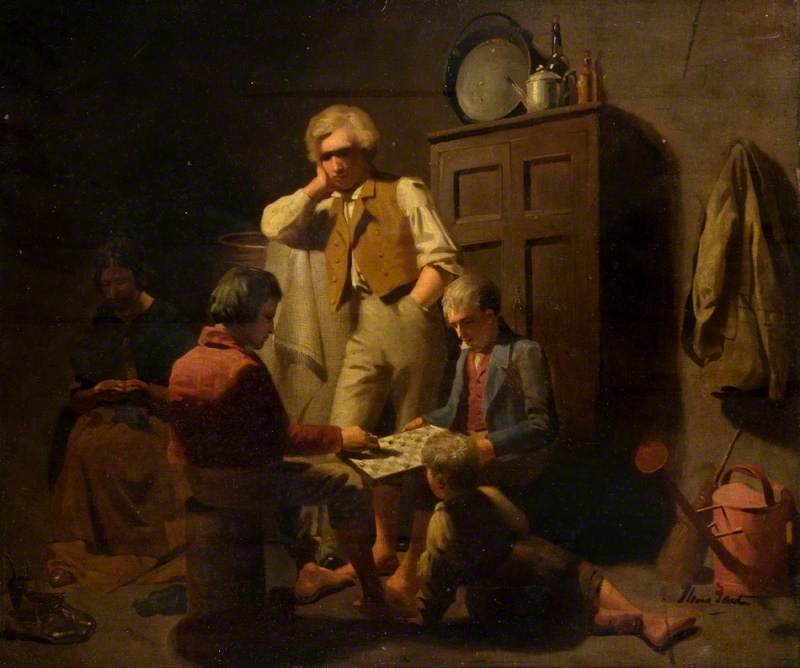
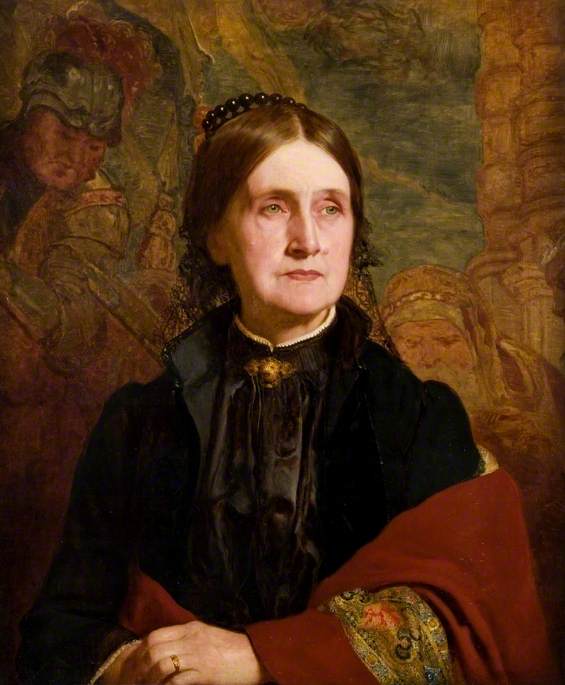
Figure 1. Faed, Thomas; Interior with Figures; Glasgow Museums; http://www.artuk.org/artworks/interior-with-figures-83913
Figure 2. Faed, John; The Artist’s Wife, Jane Macdonald (1820-1897); Glasgow Museums; http://www.artuk.org/artworks/the-artists-wife-jane-macdonald-18201897-83907

James Alastair was born on 19 November 1905 to James Faed junior, artist, and Eleanor Annie Herdman, (1) who came from a flour milling family from East Lothian and had moved to 38 Abbey Road, St John’s Wood, London prior to Jame’s birth. (2) James junior (1856 – 1920) was a landscape painter and much influenced by his father, sometimes referred to as James senior. 

James senior’s brothers Thomas and John were also artists and Thomas is probably the best known, having moved to London, exhibited at the Royal Scottish Academy and become a full member of The Royal Academy in London in 1864. Thomas’s best known work is Last of The Clan which has become an iconic symbol of Scottish emigration, and is currently exhibited at Kelvingrove Art Gallery in Glasgow. (3)
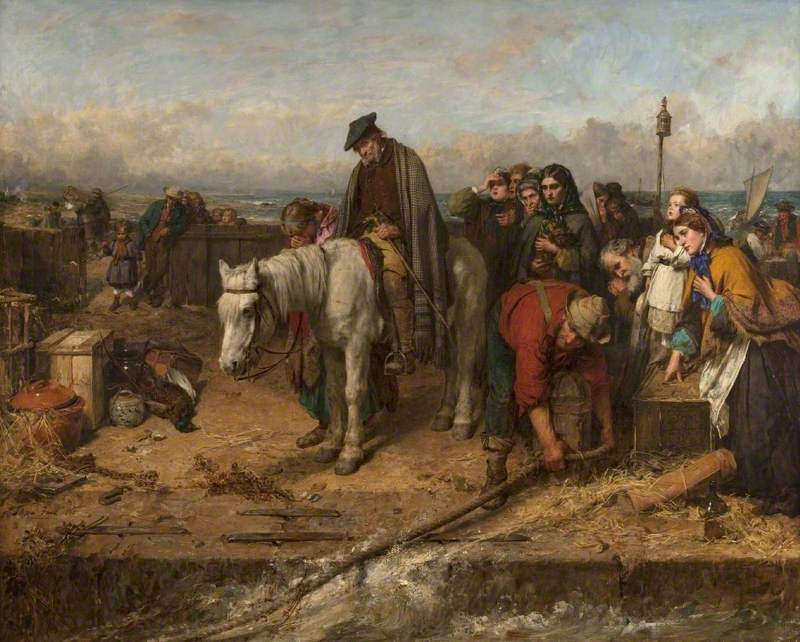
Figure 3. Faed, Thomas; The Last of the Clan; Glasgow Museums; http://www.artuk.org/artworks/the-last-of-the-clan-83914

James Faed junior’s uncles excelled in painting pictures of humble Scottish life and people, but James preferred to paint landscapes, especially in Galloway, capturing the colour and depth of the countryside. (4) In 1908 James junior illustrated the book Galloway by J M Sloan, which describes the landscapes and history of Galloway. Each chapter is illustrated with a relevant watercolour such as On The Fleet, Gatehouse. (5)
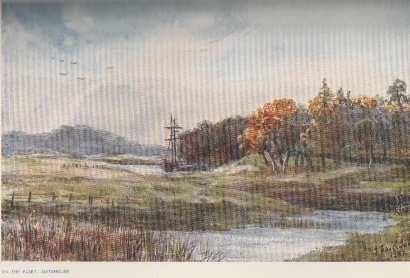
Figure 4. On The Fleet, Gatehouse James Faed jun, from Galloway by J M Sloan 1908

He married Eleanor Annie Herdman in 1897 and soon afterwards they moved to St John’s Wood in London where there was a thriving artists population. Their first son, James Ronald Herdman was born in May 1899. He entered the royal Navy as a midshipman at the outbreak of WW1 and tragically was killed when his ship Goliath was torpedoed in the Dardanelles in May 1915. He was awarded the Star Victory Medal.(6) By 1913 James junior and Eleanor had moved with the young James Alastair to The Bungalow, New Galloway. The valuation roll of 1915 notes Eleanor Annie Faed of 38 Abbey Road, London as proprietor, with James Faed Junior as tenant. (7) James junior did little painting after 1915 due to paralysis of his hands, although he subsequently did some painting using his mouth. He died on 17 February 1920 and is buried in Kells Churchyard, New Galloway. Eleanor returned to Edinburgh shortly thereafter. (8)

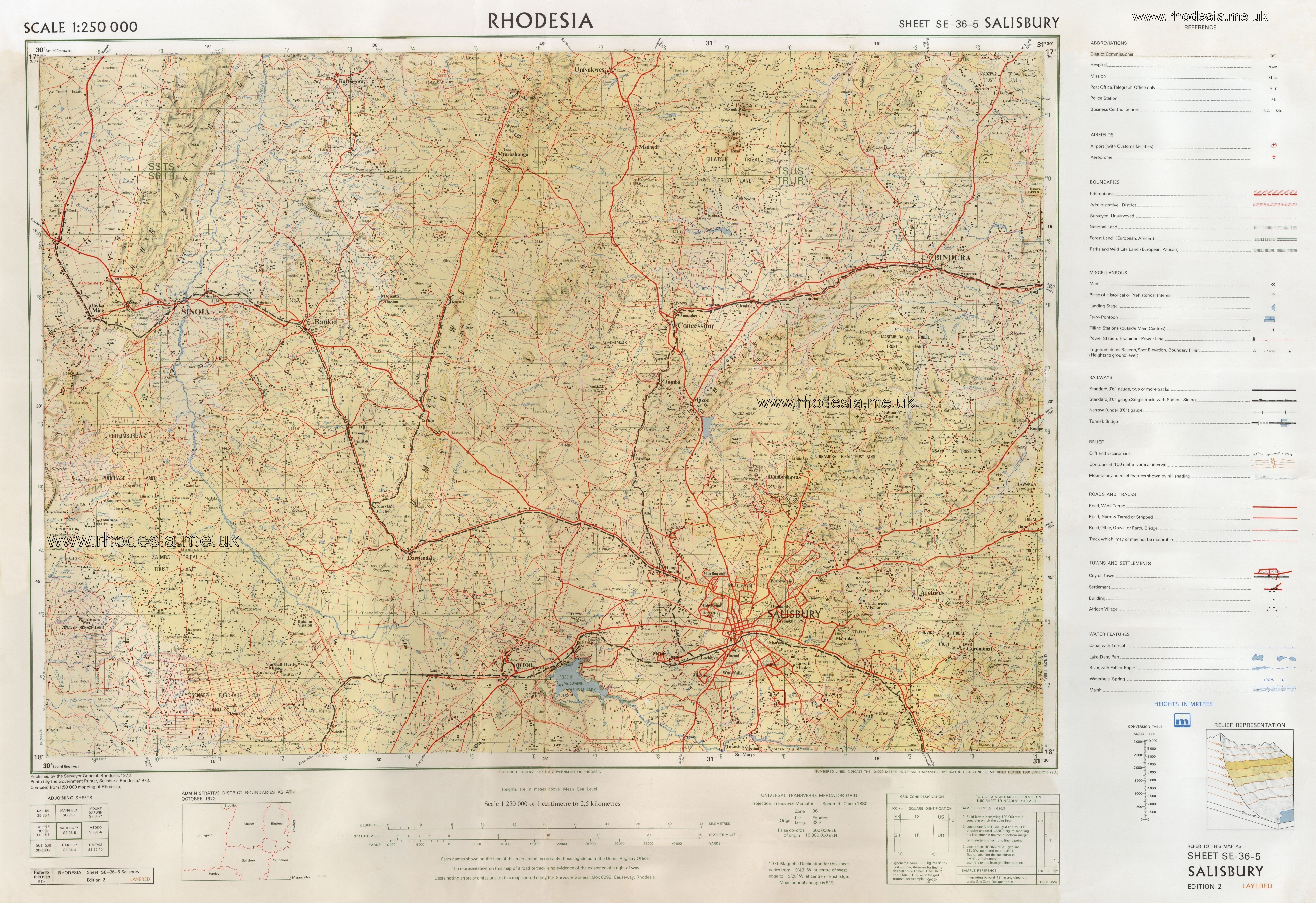
 James Alastair emigrated to Southern Rhodesia (now Zimbabwe) when he was in his twenties. He became a farmer and lived at Cairnsmore Ranch, possibly named after the hill Cairnsmore of Fleet, a short distance from Gatehouse of Fleet in Galloway, the home of his forebears.(9) The farm is near the village of Umvukwe in Mazoe district about thirty five miles north of the capital Salisbury, now Harare.
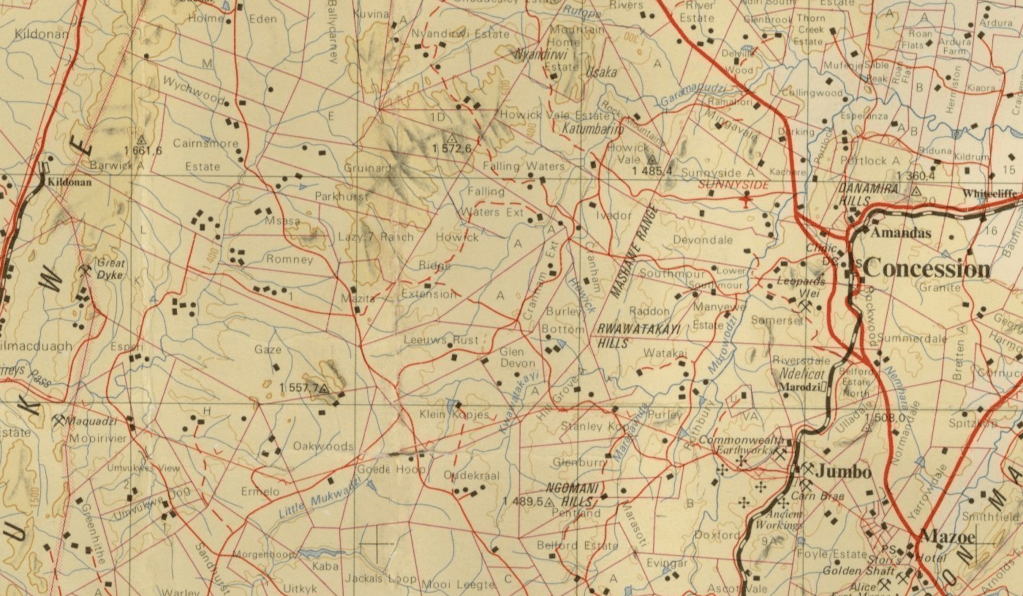
Figure 5. Cairnsmore Estate (top left of image)https://rhodesia.me.uk/wp-content/uploads/2018/03/Salisbury4_final_0021.jpg

His mother left Edinburgh and travelled from the UK with James on 18 May 1933 on the ship Llangibby Castle (built by Harland and Wolff, Govan in 1929) to Mozambique,(10) and later that year on 12 October James Alastair married Frances Elizabeth Herdman in Salisbury, Rhodesia. (11) Frances was born in Edinburgh in 1905 (12) to John Herbert Herdman, a flour miller and Edith Marian Paton who lived in Edinburgh and who had been married at St Giles Cathedral on 20th June 1900. (13) James Alastair and Frances had two children, Fiona Joan Faed and Simon James Faed. (13)
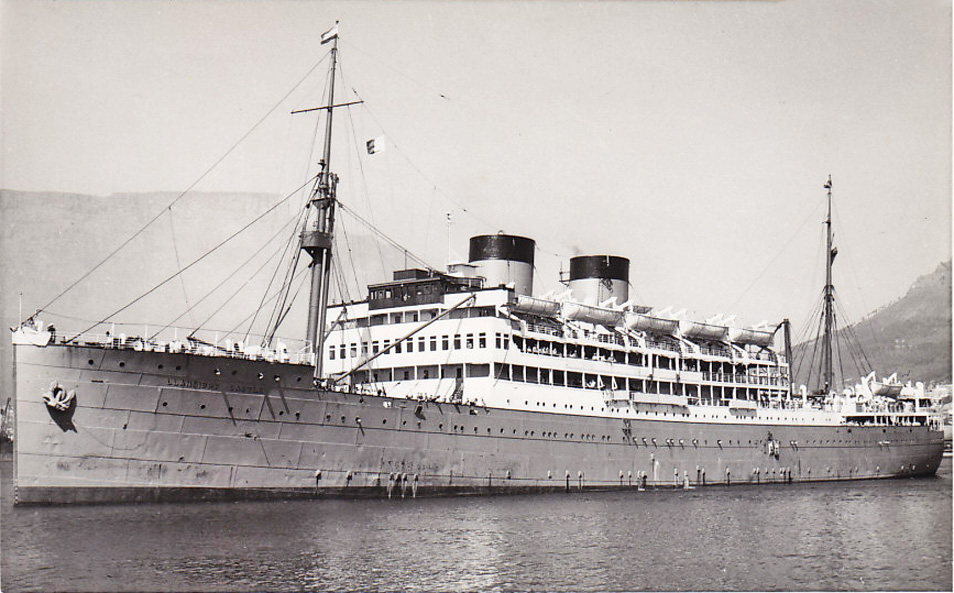
Figure 6. Llangibby Castle, https://www.clydeships.co.uk/view.php?ref=9139

James Alastair qualified as MRAC (Member of the Royal Agricultural College) (14) and arrived in Southern Rhodesia at a time when immigration was encouraged, especially from the UK, to establish and build on agricultural output. The Mazoe area was a wilderness up to the early twentieth century, the name being a corruption of the word manzou, meaning ‘place of the elephants’. 

Gold mining was an important industry in the area, but as the fertile region developed, farming gained in importance. Orange growing developed in the Mazoe valley, helped by the building  of The Mazoe Dam, completed in 1920 by The British South Africa Company which supplied irrigation water to maintain production on a large scale. (15) 

Tobacco plantations were developed, with cattle ranches and, to a lesser extent, dairy farming becoming a feature of the area. The decline in mining in the early 1900’s led to The British South Africa Company encouraging settler farmers from abroad. Consequently, agricultural research, settlement schemes and farm training programmes were implemented. By attracting settler farmers with at least £500 capital, the fertile land was developed commercially and led to increased exports, compared to the more traditional subsistence farming of the indigenous population. (16)

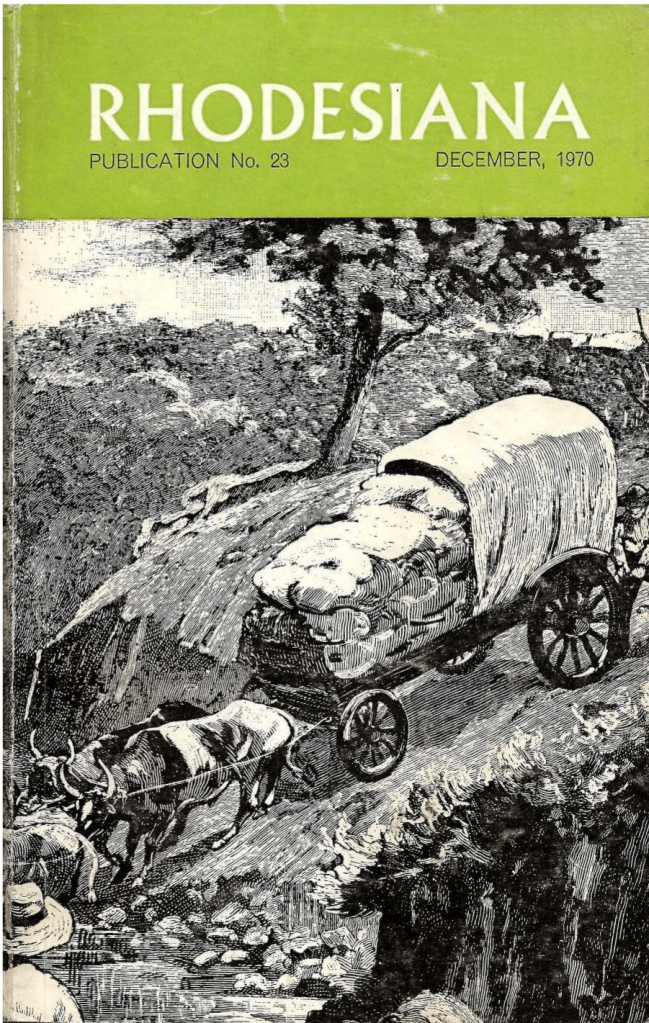
The Rhodesiana magazine was published from 1956 by The Rhodesiana Society and promoted historical studies and research about Rhodesia. Occasionally a list of subscribers was included and James Alistair is listed as a member over a number of years. 
James Alistair Faed died in Zimbabwe in 1981 and was interred in The Anglican Cathedral cemetery, Mazoe District, Zimbabwe. Frances returned to Edinburgh and died in 1996.
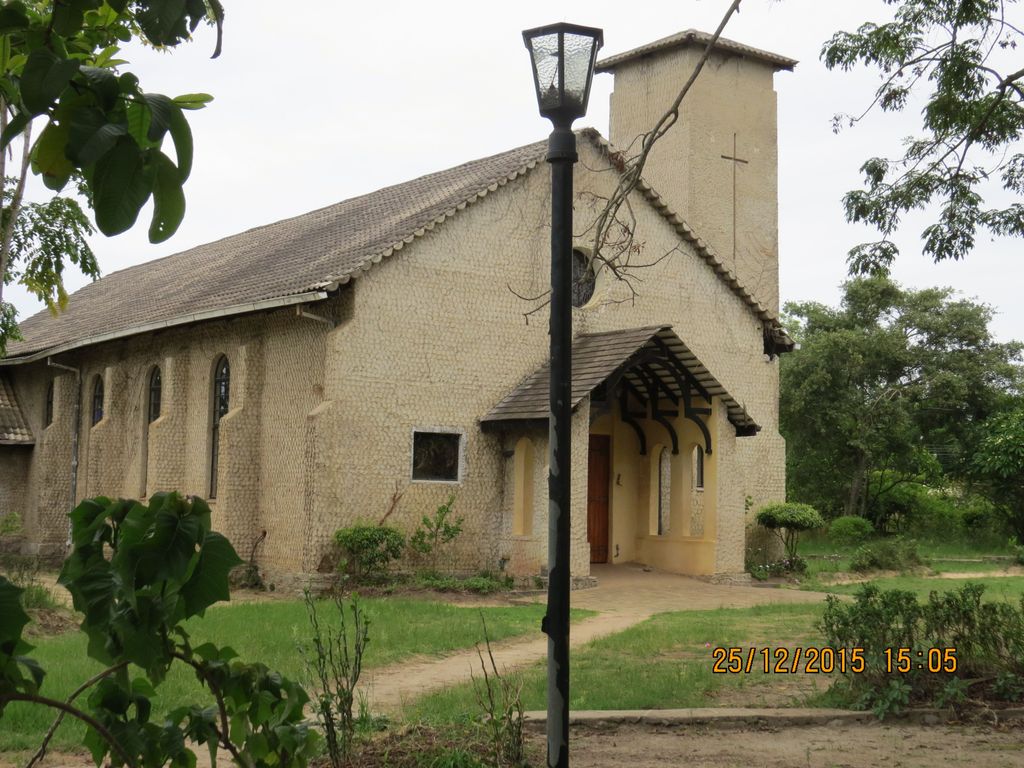
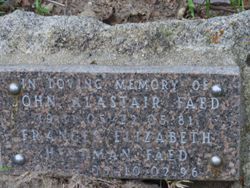
Figure 8. Anglican Cathedral, Mazoe District, Rhodesia (Zimbabwe), Findagrave.com

Figure 9. Anglican Cathedral Cemetery, Findagrave.com

References – 

  1. www.ancestry.co.uk/family-tree/person/182135923521

(2) www.kirkcudbrightgalleries.co.uk – James Faed jnr

(3) www.kirkcudbrightgalleries.co.uk – John Faed

(4) www.kirkcudbrightgalleries.co.uk – James Faed jnr

(5) Galloway, Painted by James Faed June, Described by J M Sloan – Adam and Charles Black, London 1908

(6) www.gatehouse-folk.org.uk/ww1 – James Ronald Herdman Faed

(7) valuation Rolls Faed, James (Vr010600043-/103 Kirkcudbright)

(8) www.kirkcudbrightgalleries.co.uk – James faed jnr

(9) Voter Registration, Southern Rhodesia 11th May 1938 – Family search.org/en/LVV4-BBB/John-Alastair-Faed

(10) Ancestry.co.uk – Outward Passenger Lists 1890-1960

(11) Marriages, ancestry.co.uk (164352030) 12 October 1933, John Alastair Faed

(12) ancestors.familysearch.org/en/GDGF-J82/frances-elizabeth-herdman

(13) www.scotlandspeople.gov.uk (marriages 685/4363), John Herbert Herdman

(13) http://www.gatehouse-folkorg.uk, Faed Family Tree

(14) Voter Registration, Southern Rhodesia 11th May 1938 – Family search.org/en/LVV4-BBB/John-Alastair-Faed

(15) www.rhodesia.me.uk/mazoe-citrus-estate

(16) http://www.archive.org/details/rhodesiana/volume39/page/60
Elsie Spiers Rule (1879-1962)


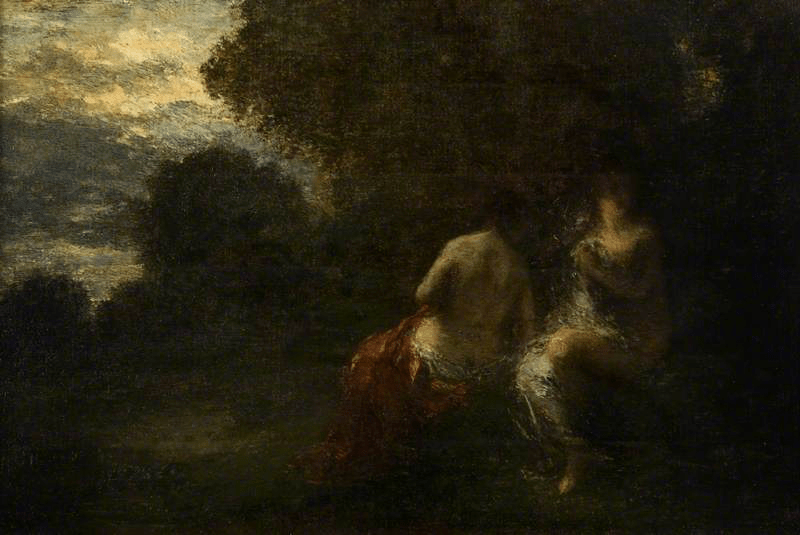
  Fig 1. The Bathers (or Baigneuses), (1853)
Ignace Henri Jean Theodore Fantin-Latour (1836 – 1904)
© CSG GIC Glasgow Museums/ArtUK (Accession Number 2933)

           This painting was donated by ‘Miss Rule’ from Perthshire on 19 December 1951.1 According to Scotland’s People there were four ‘Miss Rules’ who died in Perthshire after 1951. Two of these were in the wrong timeframe and only one of the others was a ‘Miss’. This left the likely donor as being Miss Elsie Spiers Rule.

Elsie Spiers Rule was born at 7 Montgomerie Crescent, Kelvinside, Partick on 25 April 1879. Her birth was reported by Catherine Black, a nurse. Elsie’s parents were Robert Rule (a soft goods manufacturer) and Louisa Shand who had married on 9 June 1868 in Partick. 3 Elsie was their youngest child in a family of four girls (Louisa E. born 1871, Helen Margaret, born 1872, Mary Shand, born 1876 and Elsie) and a boy, Robert born 31 May 1873. 4 

The family was at 7 Montgomerie Crescent in 1881 with Elsie S. Rule aged 1. Elsie’s father Robert who was born in Rothesay in 1837, was a ‘manufacturer of cotton and woollen dress goods employing twenty men and ten women’. 5 He was the second son of Robert Rule, a Paisley yarn merchant. Elsie’s mother, Louisa, was a sister of Baron Shand of Woodhouse, Dumfriesshire who sat as a Lord of Appeal in the House of Lords. She died on 28 September 1888 aged 53. 6, 7 

All three of Elsie’s sisters married. On 19 January 1898, Louisa married J (I?) Graham, an East India Merchant at 7 Montgomerie Crescent. Two years later, on 18 April 1900, Helen, married J. D. Nimmo, also an East India Merchant at the same adress. Mary married Robert Spiers Fullarton, a General Practitioner at The Grant Arms, Grantown on Spey on 11 July 1908. Elsie was a witness at this wedding. 8

In 1891, Elsie and her sister Mary both scholars, were in Dollar visiting a Miss Jane Macalister in Academy Street, Eglinton Place. 9 Also present were Margaret Cameron, pupil governess and Elizabeth Birch, lady housekeeper. This latter person remained with the family until her death in 1939. 10

 Eight years later, Elsie passed the Arts and Sciences Preliminary Examination at Glasgow University. 11 Her brother Robert had earlier graduated with an MA from the same University. 

Elsie does not appear on the 1901 Census, however, her father Robert Rule aged 63, widowed, and retired was residing at Pokesdown, Hampshire. 12 The family home remained at 7 Montgomerie Crescent, Govan. 13 On 5 October 1905 a Miss E. S. Rule left England for Calcutta aboard the Oceana although it is not clear that this is the same Miss Rule. 14 In 1911, Elsie was still at 7 Montgomerie Crescent with her father and four servants, living next door to Mary Kirkpatrick (qv) who was also a donor of paintings to Glasgow. 15 On 6 December 1913, Elsie sailed from Glasgow to New York aboard the California. She had no occupation listed. 16

By 1915, Robert Rule had become the proprietor/occupier of Benachie House and Grounds in Crieff, as well as retaining his house at 7 Montgomerie Crescent, Govan. 17 Benachie was to become Elsie’s future home. The family seems to have taken up a prominent place in Crieff society. In 1921 Elsie attended the Crieff Highland Gathering among the ‘fashionable attendance’ in the grandstand. She was accompanied by Mrs Robert Rule and Miss Birch. 18 In the census of that year Elsie is listed at Benachie with her father and his grandson, also Robert, along with four servants. 19 Later, Elsie’s father acquired more property in Crieff with a house and offices in Ferntower Road. 20 Robert Rule died at Benachie on 19 October 1929 aged ninety-two. His death was reported by his son Robert. 21, 22,23  

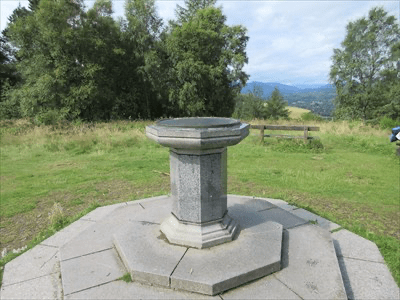
The following year, Elsie donated a view indicator to be placed on the Knock of Crieff, a small, wooded hill to the north of the town, in memory of her father. 24 The inscription reads:

                               IN MEMORY OF ROBERT RULE

                                          BENACHIE CRIEFF

                                   “I will lift up mine eyes unto the hills from whence cometh my help”

Fig. 2 View Indicator on the Knock of Crieff 25

Thereafter, Elsie Rule became ‘one of Crieff’s most respected residents, a lady who gave unstintingly of her wealth – through channels publicly and anonymously’. 26 In the same year as her father’s death she contributed £200 to the miners’ relief fund. 27 In 1934 she again travelled to America arriving in Boston on 1 September aboard the St. Louis. 28In 1940 she was still the proprietor of the house at 3 Cleveden Crescent, as well as Benachie House and grounds, The Haven, Ferntower Road West and a house on Ferntower Road, all Crieff. During the war years it was reported that she donated a ham to Crieff Cottage Hospital 29 and provided funds so that the men of the 3rd Battalion Home Guard could be provided with a ‘Balmoral’ in place of the F.S. Cap. 30 She attended various fund-raising events and at the Crieff Ladies’ Lifeboat Guild sale, held to raise funds for the RNLI, she won one dozen (13) eggs in a raffle. 31 She was especially generous to ex-servicemen who were down on their luck by providing money and  purchasing of various items of clothing. She also supported events at Morrison’s Academy, presenting the Senior Shot Putt Cup in 1958. 32 

 In 1952, the year after her donation of the painting to Glasgow, she gifted her house ‘one of the finest mansions in Strathearn’ to Crieff Old Peoples’ Welfare Committee as a ‘home for old folks’. 33 

Elsie Spiers Rule died aged 83 on 27 October 1962 at Benachie, Crieff. Her death was reported by her personal servant William F. Eades who was living at Benachie Cottage, Ferntower Place, Crieff. 34 A memorial service was held at Woodside Crematorium Chapel in Paisley on 30 October. 35 

In the grounds of the crematorium stands a stone marking the Rule Family Memorial. An inscription contains the following information:

‘Erected in the Abbey burying ground by Robert Rule (Elsie’s grandfather), merchant in Paisley, in memory of Margaret Spiers his wife, who died 24th Sept 1842 aged 35 years, and was buried in the angle formed by the north transept and nave of the church, where was also buried Robert Rule (Elsie’s father) who died 7th Feb’y 1854, aged 53 years. This stone was removed by their son Robert, in consequence of the ground being required for the late repairs upon the Abbey Church and is placed here to mark the spot where lie the mortal remains of his beloved sisters’ (Helen, and Jessie Currie Rule).

Various tributes were paid to Elsie including at the AGM of the local Horticultural Society. An obituary in the local paper noted that she had ‘disbursed thousands of pounds to deserving causes and to people in Crieff and further afield over the past 30 years’. She was a Christian Scientist and attended the Crieff South Church. 36 In her will, she left £73,397. Her house at 3 Cleveden Crescent was left to her caretaker Ian David Eades and his wife Jean ‘with the hope that it would not be turned into flats’. Her chauffeur was given the house that he occupied at the time of her death. 37 

The painting was initially owned by ‘Mrs Edwards’. (This was Ruth Edwards who with her husband, were Fantin-Latour’s British agents. He often visited the Edwards at Sunbury-on-Thames during the 1860s. 38,39 The painting was exhibited at the Royal Glasgow Institute of Fine Arts, Glasgow in 1892, cat. no. 369, as Baigneuses. It was priced at £31. This may have been where it was purchased by Robert Rule and passed to his daughter.


References

  1. Glasgow Museums Resource Centre, List of Donations to Glasgow.
  2. Scotland’s People, Death Certificates.
  3. Scotland’s People, Birth Certificate.
  4. Ibid
  5. Scotland’s People, Census, 1881.
  6. Scotland’s People, Death Certificate
  7. Glasgow Herald, 29 September 1888 
  8. Scotland’s People, Marriage Certificates.
  9. Scotland’s People, Census, 1891.
  10. Scotland’s People, Death Certificate.
  11. Glasgow Herald, 20April 1899, p3.
  12. ancestry.co.uk, 1901 Census, England.
  13. Scotland’s People, Valuation Roll 1905
  14. ancestry.co.uk, UK and Ireland, Outward Passenger Lists, 1890-1960.
  15. Scotland’s People, Census, 1911
  16. ancestry.co.uk, UK and Ireland, Outward Passenger Lists, 1890-1960.
  17. Scotland’s People, Valuation Roll 1915.
  18. Strathearn Herald, 24 August 1921, p5.
  19. Scotland’s People, Census, 1921.
  20. Scotland’s People, Valuation Roll 1925.
  21. Scotland’s People, Death Certificate
  22. Glasgow Herald, 21 October 1929.
  23. Strathearn Herald, 26 October 1929, Obit.
  24. Strathearn Herald, 14 April 1962.
  25. https://waymarking.com/waymarks/wmWH37_Knock_of_Crieff_Indicator_Crieff_Perth_Kinross
  26. Strathearn Herald, 3 November 1962, p2.
  27. Perthshire Advertiser, 19 January 1929, p 5.
  28. National Archives and Records Administration (NARA); Washington, D.C.; Book Indexes to Boston Passenger Lists, 1899-1940)
  29. Strathearn Herald, 13 January 1940, p3.
  30. Strathearn Herald, 2 April 1941, p2.
  31. Strathearn Herald, 1 April 1944, p1.
  32. Strathearn Herald, 5 July 1958.
  33. Dundee Courier, 11 October 1952.
  34. Scotland’s People, Death Certificate.
  35. Glasgow Herald, 29 October 1962.
  36. Strathearn Herald, 3 November 1962, p2.
  37. Strathearn Herald, 2 February 1963, p3.
  38. https://www.vads.ac.uk/digital/collection/NIRP/id/34931/
  39. National Inventory of Continental European Paintings, Culture and Sport, Glasgow, Kelvingrove Museum.
  40. Billcliffe, Roger, A Dictionary of Exhibitors of the Royal Glasgow Institute of the Fine Arts, 1861-1989, The Woodend Press, 1990-1992.