‘The Town Clerk submitted a letter from Lord Inverforth offering to present to the corporation his portrait by Frank O. Salisbury, at present on exhibition in the Kelvingrove Art Galleries, and the committee agreed that the gift be accepted and that a letter of appreciation be sent to the donor.’ 1
Andrew Weir was born on the 24 April 1865 in Glasswork Street, Kirkcaldy. He was the eldest son of William Weir a cork manufacturer and Janet Laing who were married on 2 January 1865.2 According to the census, 3 the family was still at Glasswork Street in 1871 but by 1881 had moved to 269 High Street, Kirkcaldy.4 Andrew, aged 15, having attended Kirkcaldy High School was now an apprentice clerk with the Commercial Bank of Scotland living with his parents, brothers Thomas (13), William (8), David (1) and sisters Jessie (6) and Isabella (4). Thereafter, Andrew moved to Glasgow and worked for a time in a shipping office. Then, in 1885, at the age of twenty, he bought his first ship – the barque Willowbank. On 5 May that year he opened a small office in Hope Street, Glasgow 5 (According to The Bailie it was at 70 Waterloo Street. 6) and used his ship in the coasting trade. The business prospered and within ten years he had built up a fleet of fifty-two ships of modern design and created the firm of Andrew Weir and Co. Shipowners of Glasgow. This firm ‘controlled the largest fleet of sailing ships in the world’ under one owner. 7 It became managing owners of the Bank Line (named after Weir`s first ship), Invertanker, Inver Transport, Trading Company, and several other shipping companies.
On 1 August 1889 Andrew Weir married Tomania Anne Dowie, daughter of Thomas Kay Dowie, a coachbuilder, in her home at 28 Thomson Place, Kirkcaldy. Andrew`s address was 185 Kent Road, Glasgow. His younger brother William was a witness. 8 Two years later, Andrew and Tomania were living at 4 Edelweiss Terrace, Partick, Glasgow with their newborn daughter Anne Forrestdale. With them were Andrew`s siblings, William Weir (19), Jessie B. Weir (16) and Bella B. Weir (14). 9
In 1896 Weir began to modernize his fleet by converting it to steam. His first steamship was launched under the banner of the Bank Line. At the time of the 1901 Census, he was with his family (now four girls and a boy) at Blanefield Mansion, Kirkoswald, Ayrshire. 10 Sometime after this he moved to London and at the 1911 Census his address was 57 Holland Park, Kensington, London. 11
In 1917 Weir was asked to investigate the way in which materials were supplied to the army. Among his recommendations was the appointment of a Surveyor-General of Supply to oversee the task of providing the army with all its stores and equipment other than munitions. His recommendations were accepted, and he was given the job of Surveyor-General with a seat on the Army Council.
Fig. 2 Andrew Weir in 1917 12
In 1919 he was appointed Minister of Munitions, and he remained in this office until March 1921. His focus now changed to the sale of the vast quantities of army stores which had accumulated during the war. ‘Again, his genius for organization and great business acumen converted what might have been worthless goods or liabilities into considerable assets. It was not without reason that he was termed the man who saved Britain millions.’ For his services he was raised to the peerage as Baron Inverforth, of Southgate on 5February 1919. 13 He was also made a member of the Privy Council and received the American Distinguished Service Medal.
After the war he invested in diesel-powered ships and broadened his business interests. He became chairman of the Marconi Wireless Telegraph Company and president of the Radio Communications Company, the Marconi International Marine Communications Company and Cable and Wireless which was formed by a merger of all the transmission companies. He was chairman of the Anglo-Burma Rice and Wilmer Grain companies and was on the board of Lloyds Bank. He was founder and first chairman of the United Baltic Corporation set up at the instigation of George V to replace German shipping interests in the Baltic.
In 1925, Inverforth bought the 60-room mansion, and eight acres of grounds called The Hill, Hampstead Heath. This property had formerly belonged to Lord Leverhulme. (When Inverforth died in 1955 he bequeathed the house, now known as Inverforth House, to Manor House Hospital. Inverforth House became the women’s section of the hospital and became known as Inverforth House Hospital).14
Andrew Weir and his wife celebrated their golden wedding in 1939, but Lady Inverforth died two years later in 1941. He continued to go to his office four days a week into his ninety-first year. He died at his home in Hampstead on 17 September 1955.15,16 An obituary was published in the Glasgow Herald.17(Appendix 1) His wealth at death was £548,214 1s. 8d.18
‘One thing more remains to be said. Mr. Andrew Weir inherited the moral traditions of Scottish industry. He grew rich, but not ostentatious. His increasing fortune went back and back into trade. He never dreamed either of cutting a figure in plutocratic society or making himself a public character. A quiet, rather shy, and not often articulate person, he lived a frugal life, loving his business because it occupied all his time and satisfied nearly every curiosity of his inquiring mind.’19
‘Inverforth possessed great energy and enthusiasm, and also that almost essential quality of leadership: the ability to select suitable subordinates and leave them to carry on without interference. His integrity, great driving force, and brilliant organizing ability made him a man of power and influence in the commercial world although he shunned the limelight of publicity. His friends and employees, terms frequently synonymous, knew his unobtrusive generosity and kindness. He was particularly approachable: even the most junior employee who had some suggestion towards the improvement or well-being of the firm would be sure of a patient and appreciative hearing and would carry away the remembrance of a kindly twinkle in Inverforth’s eye and a good-humoured quiet voice. In many ways he was a model employer, taking interest in the welfare of his staff and their families both during and after their service with him. For many years, until he was eighty, he was treasurer of the Royal Merchant Navy School and, even after he had handed over this office, he continued to take a deep interest in the children.’ 20
References
Minutes of Glasgow Corporation, 19th January 1943, page 394, Mitchell Library.
The death occurred on Saturday of Lord Inverforth at his home, The Hill, Hampstead Heath, London. He was in his ninety-first year.
Lord Inverforth was one of the greatest shipowners of his time, and his work as Surveyor-General of Supply at the War Office during the First World War and later as Minister of Munitions was of the greatest importance to the nation. He was Andrew Weir and was born in Kirkcaldy in 1865 and educated at Carlyle`s High School. He originally chose banking as a profession but at a very early age his interest turned to shipping.
At the age of 20, having purchased two sailing vessels, he founded the firm of Andrew Weir and Co., with offices in Glasgow. The two ships soon became a fleet, and one of his barques, the Willowbank, gave her name to the Bank Line. In 1896 his first steamship was launched, and this was the beginning of the Bank Line which Andrew Weir and Co. managed.
War Services
During the First World War, Mr. Weir placed his services at the Government`s disposal. In 1917 he was made Surveyor-General of Supply at the War office and a member of the Army Council. Two years later he became Minister of Munitions and remained in that post and a member of the Cabinet until 1921. For his war services he was created a baron in 1919 and made a member of the Privy Council.
On entering the Government he severed his connection with Andrew Weir and Co. and thereafter his business interests lay in wider fields. He became chairman of a number of companies, including the Marconi Wireless Telegraph Company, and when in 1929 the merger of all the transmission companies was arranged Lord Inverforth became the chairman of the new Cable and Wireless, Ltd. and later president and then honorary president. He was also the president of the Andrew Weir Shipping and Trading Company, chairman of the United Baltic Corporation, and the Bank Line. He had been a director of Lloyds Bank and the National Bank of Australasia.
Heir to the Peerage
In 1889 Lord Inverforth married Anne (who died in 1941), younger daughter of Mr Thomas Kay Dowie and they had one son and four daughters. The son, who succeeds to the peerage, is the Hon. Andrew Alexander Morton Weir. He was born in 1897 and is a partner in Andrew Weir and Co. In 1929 he married Iris Beryl, daughter of the late Charles Vincent, 4th battalion, The Buffs, and they have two sons.
Figure 1. George Grant Blair from The Bailie Cartoon Supplement 16 September 1924.
Not all donor stories are grand ones. Some donations are large, some small but sometimes even the smallest of stories can give an insight into a life well lived within a community.
George Grant Blair was born in Karachi, India in 1859. His mother was Letitia Blair who was born in Bombay. His father was John Blair, an officer in the Indian Army. George was the oldest child of six and in 1871 the family was living in Dollar, where George and his siblings attended Dollar Academy. There is no record of the father in the census, so it is possible that he continued to serve as a soldier in India. (1)
George attended the school until 1875-76, by which time he would have been 16 or 17. The remaining family members had left the school by 1879-80 and did not appear in the Dollar census of 1881. According to Dollar’s archives, the family paid fees up to 1875-76. In 1876-77 the three youngest brothers are on the list of Free Scholars. To be a Free Scholar at Dollar, the family had to be resident in the town for at least three years and the family income had to be below a certain level. Apparently a lot of families from all over the UK came to Dollar because the fees were low and they would have a chance of a free education if the family fell on hard times. It is possible to speculate that around 1875/76 the family experienced some hardship which led the younger boys to become free scholars and which may have precipitated George and his younger brother Henry leaving the school. (2)
The Baillie, in the “Men You Know” Column (3), mentions that George, after leaving school, undertook some preliminary business training in Glasgow. The same column confirms George’s father’s occupation as an officer of the Indian Army. George, after his training in Glasgow, became a purser on McCallum Ferries, where he worked for forty years.
McCallum Ferries was the forerunner of Caledonian MacBrayne, which serves the Hebrides to the present day. Martin Orme and John McCallum ran two separate ferries to the Hebrides. They operated two steamships, the Dunara Castle and the Hebrides. From 1877 these ships operated a summer sailing from Glasgow to Village Bay on St Kilda. This service operated until 1939, although St Kilda was evacuated in 1930. The company also served most of the other Hebridean islands and supported the Hebridean communities living there. Eventually the two companies merged into one, which was taken over by MacBrayne’s in 1948. (4)
According to the Baillie, although George Grant Blair had no Hebridean connections, after forty years sailing around the islands he was “in person, in sympathy and sentiment a Hebridean among Hebrideans.” The article states that George Blair became a Gaelic speaker who embraced the culture of the Hebrides and knew the history and the people of the islands well……He sings their songs and he speaks their language. He tells their stories and he voices their needs. ” The writer also comments on his universal appeal to others. “ there is scarcely a shieling on the islands… in which he is not known and deservedly popular and there is certainly no country seat…in which he in person is unfamiliar to the residential tenant or laird. “ He was chosen for the “Men You Know“ column “because he is a first rate fellow; the singer of a capital song and a first rate teller of a rattling good tale; because he is a genial and kindly host and the staunchest of friends; because he is an efficient and enthusiastic officer, and because he is at heart in sympathy with the finest things of the people among who he has moved so long – their literature, their music and their arts.”
The National Library of Scotland Archive has a short film of the McCallum ferry “Hebrides” touring round the islands of Scotland, ending with a visit to St Kilda. George Blair is seen briefly at the beginning of this film, shot between 1923 and 1928, which gives some indication of ferry travel (and island living) in those days.(5)
George Grant Blair died on the 27 November 1956 in Glasgow, aged 97. He left a picture of himself to Kelvingrove, a picture of a man who came from one side of the world to another and found a niche for himself in the most remote parts of Scotland.
The William Graham Collection consists of approximately 3000 glass negatives, 450 lantern slides bought and donated by Thomas Holt Hutchison in 1916 and originally one and now two volumes of prints 180 of which were bought by purchase in 19121 and others donated later by Mrs Graham and it is thought by other members of the Graham family. 2 The collection is a unique photographic record of different areas of Scotland especially of Glasgow and the includes many buildings which have long been demolished, eminent Glasgow men of the time as well as slums and old stone carvings and photographs of ordinary citizens .3
William Graham was born in Glasgow on February 8 1845 .4 His father, William, was a ‘railway servant’ 5 and his mother was Elizabeth Hamilton. 6 The family home was Little Hamilton Street (Figure 1) off George Square between Frederick Street and John Street.
He was educated at St Paul’s Parish School in Stirling Street (Figure 1) off the High Street and later at St Andrew’s Parish School in Greendyke Street.
His first job as a young boy was that of carter’s boy employed by J&P Cameron. William changed occupations several times and was variously a printer working for a well-known Glasgow Printers Bell and Bain, a cooper with Mathers Wine Merchant in Queen Street, a fireman with the Edinburgh to Glasgow Railway and an engine driver with the North British Railway Company (see Figure 2). 7
There is also some evidence that somewhere along the line he was also an ‘iron turner’ possibly around the 1870s.8
William was first married to Mary Morton possibly in 1868 9 with whom he had at two children, Elizabeth, who was born at 16 Colgrain Terrace in Springburn in 186910 and William who was born in 1871.11 Eight days after young William’s birth his mother died of puerperal fever. 12 In 1873 William remarried. His second wife was Catherine Wilson and it is on the marriage certificate that the occupation ‘iron turner’ is recorded. Catherine was a domestic servant at the time of her marriage which appears to have taken place at 131 New City Road in Glasgow, the location of her father’s grocery business. 13
According to the 1881 census William, Catherine and twelve year old Elizabeth were living at 29 Portland Street. This was probably during William’s time with Mathers Wine Merchants .14 There is no mention of son William so perhaps he did not survive long after his mother’s death. By the time of the 1891 census Catherine and William were living at 4 Colgrain Terrace in Springburn and William’s occupation was that of ‘engine driver’ with the North British Railway Company. 15 After a series of strikes in 1890-1891 William was sacked from his job and went into business as a photographer ,having been an enthusiastic amateur for many years. He set up a studio in Vulcan street in Springburn. 16 The couple had moved to 468 Springburn Road by the time of the 1901 census in which William’s occupation was described as ‘photographic artist’ and which remained the family home.
William was a friend of another amateur photographer ,Duncan Brown ,who had acquired a reputation for his work in the 1850s and 1860s 17(see Fig 2).
William was a freemason and a founding member of the Old Glasgow Club which was founded in 1900 and which met in the Trades Hall in Glassford Street. 18 The aim of the club was to inform members of Glasgow’s history, architecture etc in the form of papers presented by members and guests. William contributed himself. For example on 21 February 1910 he gave a talk illustrated with his photographs entitled ‘Inscribed Sculptured Stones in and around Glasgow with Lime-Light Illustrations.’ 19 He had friends in Glasgow’s artistic community for example watercolourist William Young RSW (1845-1916). They often went for walks together and Graham took photographs while Young painted. The photograph of William Graham (Figure 3 below) was taken on a walking trip in September 1909 to the Peel of Drumry near Drumchapel. 20
In 1914 in a letter to the Club Secretary William suggested the Club might acquire ‘certain photographs taken by him of Old Glasgow Buildings and other items of interest…’.However William had died before this offer could be discussed. Whether ‘acquire’ meant purchase is unknown. 21
There is little information as to how financially successful was William’s business . His talents as a photographer certainly did not go unnoticed by the press . The Weekly Herald reported in February 1913, ‘Mr William Graham, photographer,…is well known in the city…his pictorial stories have been frequently called on to supply material for illustrated lectures and they are always available for the newspaper press of the city’. 22 We know he had financial dealings dealings with George Outram & Co, owners of the Glasgow Herald, as he took a photograph of a cheque from Outram’s for photographs he had taken of the 1911 Glasgow International Exhibition. 23 There is little information about William or Catherine and their day- to- day life but William Graham will always be remembered for his hundreds of photographic prints and plates which form the William Graham Collection .
William Graham died at the age of 69 on July 22 1914 at his home in Springburn of arterial sclerosis. 24 Catherine lived until 1921 and died at the family home at 468 Springburn Road. On her death certificate it is stated that Catherine was the widow of ‘William Graham iron turner’ with no mention of her husband’s photographic career or his railway years. 25
The Hutchison family came from Perthshire. Our donor’s great-grandfather Thomas Holt(1760-1855) was a tailor who in 1784 married Betty Miller, daughter of a mason. 26 Among their children was Joseph (1790-1854) who by 1835 was running a ‘comb warehouse ‘ at 36 High Street in Glasgow. 27 This business had expanded into that of ,’comb manufacturer, jeweller, hardware merchant and importer of foreign goods, wholesale’ by 1841. and was at 25 St Andrews Street near St Andrews Square. 28
By 1851 Joseph was living at 35 St Andrews Square with his wife Elizabeth ,formerly McIntyre,(1790-1865) and four children of whom John was born in 1822, and our donor’s father Peter in 1834. Joseph is described in the 1851 census as a merchant who employed 23 men. 29
Thomas Holt Hutchison (THH) (1861-1918)
Early Life and Education
Our donor was born on 19 February 1861 at 211 Sauchiehall Street, Glasgow the home of his parents Peter Hutchison and Marion Paterson Hutchison(or Holt).30Thomas was the eldest of five surviving children. Elizabeth was born around 1863, Joseph around 1865, Jeanette around 1867 and Marion around1870.31 By 1865 the family home was 15 Charing Cross which was off Sauchiehall Street at the junction of Woodside Crescent and Sauchiehall Street but which today has been replaced by the M8 motorway complex. 32
The family had moved to Berkley Street by the time of the 1871 census in which THH was reported to be ‘a scholar’ .33
His obituary states that THH had his early education at the old Albany Academy and then at Glasgow Academy. 34 Albany Academy, a private school for boys, was opened around 1871 at 328 Sauchiehall Street 35 and then in 1876 moved to 44 West Cumberland Street( later changed to Ashley Street) off Woodlands Road to a new school building designed by architects H&D Barclay which was described as ‘More like a city mansion than a school.’36 Hence the reference to the ‘old Albany Academy’. The building still stands today and is a Community Volunteer Centre. The headmaster was James N. McRaith, formerly an assistant teacher of English at Glasgow Academy (see below).37
THH was enrolled at Glasgow Academy in Elmbank Crescent, aged twelve ,for the 1873-4 academic year in Class 4L so he probably attended Albany Academy before it was moved. 38 Glasgow Academy was a private school founded in 1845 by, ‘a number of gentlemen connected with the Free Church’ one of whom was the Reverend Robert Buchanan .39 The building was designed by Charles Wilson and situated in Elmbank Street off Sauchiehall Street.40 These premises were opened in 1847 but the school was moved to Kelvinbridge in 1878 after the Elmbank premises were sold to the Glasgow School Board. During our donor’s time at Glasgow Academy the rector was Donald Morrison MA LLD who was rector from 1861 to 1899. Although originally a boys only school it is now co-educational. 41 THH remained at Glasgow Academy for three academic years while the family were living in nearby Berkley Street and left in 1896 at the age of fifteen. 42
After leaving school THH travelled and studied in France and Greece before entering the family ship- owning business of J&P Hutchison. 43 The family had moved to 3 Lilybank Terrace in Hillhead by 1881 and this remained the Glasgow home of THH’s parents and where THH lived until his marriage and where his mother Marion died in 1888.44
Like many young men of the time THH joined one of the many volunteer companies which were founded after 1859 at the end of the Crimean War when the British Government became concerned about home defence at times when most of the regular army was abroad fighting various wars.4 5 These volunteer companies underwent several amalgamations and name changes in the late nineteenth and early twentieth centuries according to the various government initiatives of the time. We do know that THH joined the 19th Lanarkshire Corps as a 2nd Lieutenant in 1879,46 was promoted to Captain in the renamed 5th Lanarkshire Regiment(2nd Northern Company) in 188247 resigned his commission in 188448 only to be made Captain again in April 1885.49 This regiment eventually became the 5th(City of Glasgow) Battalion the Highland Light Infantry50 in which THH served for eight years.
Business Career
According to the 1881 census THH ,aged 20, was working as a shipping clerk, presumably in the family business of J &P Hutchison. At this time the business was based at 69 Great Clyde Street. 51 J&P Hutchison was founded around 1869 by our donor’s uncle John Hutchison who was joined in the enterprise by his brother Peter, our donor’s father. 52 The company’s ships traded with Ireland ,France and Portugal as well as around the coast of Scotland. 53 When Peter Hutchison died in 1899 the company had majority shareholdings in approximately thirteen ships. 54 THH became sole partner in the company in September 1911.55 In 1919 the company was taken over by The Royal Steam Packet Company and later became part of the Moss Hutchison Line. 56
THH had many other business interests and investments including shares in the Caledonian Railway Company, J&P Coats Ltd, The Lanarkshire Steel Company Co Ltd, The Ailsa Shipbuilding Company of which he was a director and The Galway Granite Quarry and Marble Works Ltd to name but a few. 57 The Hutchison family also owned several tenement properties in Glasgow which were rented out for example several tenements around Dumbarton Road in Partick. 58
Public Service
THH , following his father Peter’s example, served on Glasgow City Council. 59 After many invitations in 1910 THH agreed to stand for and was elected one of the councillors for Park Ward and in 1915 became a Bailie.60 Possibly his most valuable contribution was during his chairmanship of the Libraries Committee where he was instrumental in setting up the Commercial Library, the first such library in Britain outside London which was open to the public. The idea was first suggested in October 1913.61
Figure 10. Thomas Holt Hutchison. The Bailie. Men You Know No 2302 November 29 1916. By permission National Library of Scotland.
The first Commercial Library was to use part of the Stirling’s Library at 21 Miller Street, which had formerly housed the Mitchell Library before it was moved to its current premises in North Street ,Charing Cross. The City Librarian was encouraged to ‘utilise as far as possible furniture, books ,periodicals etc already available in the City Libraries and to add such further books etc and minor fittings as necessary’.62 The City Librarian had visited the London Chamber of Commerce , the Imperial Institute and the Guildhall Library for information and assistance in setting up Glasgow’s Public Commercial Library. 63 A booklet was produced to describe the library and its function. Four thousand copies were printed at a cost of £22.64
The Commercial Library was formally opened by the Lord Provost on 3 November 1916 ,’ with a large and representative attendance of businessmen’.65 The library was intended to serve the needs of local industry and commerce with ‘business directories, telephone directories with world- wide coverage, book stock on company law, economics, insurance, taxation, trade publications, patents and trade -marks for the UK and overseas and newspapers and statistical publications’. 66 One of the councillors paid tribute to Bailie Hutchison’s ‘zeal and energy…in helping to establish and develop this Commercial Library’. 67
There were 15,000 enquirers and visitors in the first few months and it was decided more books and other materials were needed .68 By March 1917 all four thousand copies of the Commercial Library pamphlet had been distributed and the Libraries Committee agreed that a second edition be published. 69 In 1955 the Commercial Library, along with Stirling’s Library, was moved to to the former Royal Bank of Scotland building in Queen Street which had been bought by Glasgow Corporation in 1949 and remained there until its closure in 1983 when its function was transferred to the Mitchell Library. 70 THH was also responsible for the building and opening of Langside Library which was the first in Glasgow to experiment with the open access method and which proved to be such a success that the system was adopted throughout the city, overcoming the prediction in some quarters that the result would be “all sorts of sacrilege, destruction and even theft. 71
THH also took a deep interest in the Glasgow Trades House and in September 1917 was elected Deacon Convenor of the Incorporation of Hammermen. He was treasurer of the Hillhead United Free Church ‘and gave valued service to several philanthropic institutions’.In 1915 he was elected to the Magistrates Bench. 72 He was a well-respected magistrate and councillor and remained on Glasgow Corporation Council until 1918.73
Family and Home Life.
In 1890 THH married Florence Riley at the Church of Scotland in Uddingston. Florence was the daughter of James Riley, general manager of the Steel Company of Scotland whose home was Brooklands Villa in Uddingston.74 The couple began married life at 4 Windsor Quadrant(now Kirklee Quadrant) in Kelvinside where they remained until around 1897-1898.75 The building was a red sandstone tenement block which was built in the later 1890s 76 and rent was £105 per year plus £20 feu duty.77 During this period Florence gave birth to a son, James Riley in 1893 and a daughter Marion, known as Maisie, born in 1895. 78 The Hutchisons moved to 16 Crown Terrace in Dowanhill, around 1898- 1899 where a second son Thomas Holt was born in 1899.79 16 Crown Terrace was one of a row of terraced houses designed by James Thomson and built around 1880 consisting of two floors ,an attic and a basement. 8016 Crown Terrace remained their Glasgow home until the death of THH in 1918.81
The Hutchisons also had a country home. Sometime before June 1910 82 the Hutchison’s had become tenants of Cranley House and Estate near Carstairs, which was rented along with two other shooting estates. One can presume that THH enjoyed shooting, a fashionable pastime among the rich at the time. Cranley was owned by the Monteith family. 83 The Hutchisons appear to have played a full part in the local community with many references in local newspapers to participation in local events such as Mrs Hutchison’s attendance at the Carstairs Horticultural Society Flower Show 84 and THH’s participation in local political meetings such as that to support the prospective Unionist Candidate for South Lanark in November 1912.85
World War One
THH continued his involvement in the Volunteer Movement during WW1 and was a Major commanding the Third Battalion Lanarkshire Volunteers attending such events as a Parade Inspection at Lanark .86 He was also involved in the formation of the Biggar Company of the Third Lanarkshire Volunteers. 87
The Lanarkshire Volunteer Regiment was part of the World War One equivalent of what was to become the Home Guard during World War Two. The Volunteer Movement had been replaced in the Haldane Act of 1908 by the Territorial Movement, with each volunteer regiment being attached to a regiment of the Regular Army. When World War One broke out many of the Territorial Regiments went to fight with the Regular Army leaving the Home Front with little defence. At the outbreak of the war there had been calls from those under or over the age of enlistment or those unable to enlist for other valid reasons to form volunteer battalions to be trained for home defence in case of invasion. These ‘civilian defence companies’ were organised all over the country and were largely self -financing through membership fees. At first their value was not officially recognised by the War Office as it was thought these civil defence companies would deter recruits from enlisting in the regular Army. However it was gradually realised that these men could carry out duties which would free up trained troops. The Central Association of Volunteer Training Corps (VTC) was set up in London to coordinate these civilian defence groups with a similar body in Scotland. There was much public and press pressure to have official recognition of the VTC. 88
The Scottish Volunteer Association (SVA )was formed in the spring of 1915 under the presidency of Lord Roseberry and was officially recognised by the War Office in May 1915. The aim of the SVA was to co-ordinate and supervise the volunteer movement in Scotland. A communication was sent to Lord Provosts, Provosts of all burghs in Scotland and to the Lord Lieutenants of all counties to bring all the volunteer forces within their respective areas in touch with the new organisation. 89
In March 1916 due to the introduction of conscription and much public pressure the dormant 1863 Volunteers Act was reinvigorated and regulations were drawn up by the War Office to organise the Volunteer Training Corps which was to be organised strictly on a county level and administered by the Lord Lieutenant of each county. Recruits had to be 17 with ‘no alien to be enrolled’. Commissions were to be temporary and the VTC were eventually allowed to wear the khaki uniform with a red armband inscribed with the letters ‘G R’. So at last the former civilian defence organisations became volunteer regiments named after the county concerned. The demands upon the services of the VTC grew and they were used for example to guard munitions factories, on the rail network and to bring in the harvest.90
The VTC trained regularly in Drill Halls, took part in many shooting competitions and had to attend summer training camps, for example at Lanark Race Course.91 Some members of the public did make jokes rather unkindly about the VTC referring to the ‘GR’ as meaning ‘Grandpa’s Regiment’ or ‘Government Rejects’. But by July 1918 they were being issued Enfield Rifles and Hotchkiss Mk 1 machine guns by the War Office. 92
Florence Hutchison, along with her daughter Maisie, also contributed to the war effort from Cranley by being one of the founders of the local Red Cross Society. They helped to recruit seventy volunteers who knitted socks and other garments for soldiers. 93 In 1915 they played a role in the National Egg Collection, an appeal for one million eggs ‘for our wounded soldiers and sailors’. The Hamilton Advertiser reported Mrs Hutchison’s thanks to local farmers for contributing 404 eggs which were sent to London. 94 They also entertained convalescing soldiers at Cranley. 95 Maisie became secretary of the Red Cross Society and her work was greatly valued. 96 She married Lieutenant J. E. Glynn Percy at Carstairs Parish Church in March 1918.97
THH’s two sons, James Riley Holt and Thomas Holt also played their part in the war. James Riley Holt obtained a commission in the Lanarkshire Yeomanry at the outbreak of the war and was later attached to the 19th Lancers in France after which he transferred to the 17th Cavalry in India . He also had a distinguished career in World War Two serving with the French Resistance and was awarded the DSO. After the war he became Conservative MP for Glasgow Central and was awarded a baronetcy. 98 The younger son, Thomas Holt, had to wait until March 1918 when, aged 18, he joined the Royal Naval Air Service as a Probationary Flight Officer. 99
The J&P Hutchison shipping fleet also played its part by transporting Red Cross goods and ambulances to France free of freight charges 100 and suffered casualties with at least three ships being lost. The Chloris and the Dartmoor appear to have been lost or badly damaged as compensation was paid by the British Government. 101 The Chloris had been torpedoed off Flamborough Head on 27 July 1918 with the loss of three lives including that of the master.102 The Atalanta, sailing from Galway to Glasgow with a cargo which included coal, timber and scrap iron, was torpedoed off the coast of Connemara on 14 March 1915 but the crew of sixteen who were all from Cushendall in County Antrim managed to escape by lifeboat. 103 The ship ,though taking, water was towed to harbour and the damage later repaired .104
Thomas Holt Hutchison died at Cranley on 22 June 1918 aged fifty -seven of pernicious anaemia 105 so did not live to see the end of the war. The HamiltonAdvertiser reported that his death ,’ was not unexpected ,none the less it was a surprise to the community’. At the beginning of the proceedings of the Northern Police Court in Glasgow just after his death THH was paid a tribute by Bailie John Bryce who referred to his death as ,’a great loss to the city’ 106 THH was buried at the Glasgow Necropolis on 25 July 1918.107
In 1921 Mrs Hutchison and the Hutchison Family presented an organ to Carstairs Parish Church in memory of Thomas Holt Hutchison. 108
Notes and References
1. Glasgow Corporation Minutes 10/12/1912 p. 312
2. William Graham Collection. Mitchell Library Special Collections
Thanks to the following for the help given in the production of this report:-
Staff of the Glasgow City Archives and Special Collections at the Mitchell Library Glasgow, the National Library of Scotland, Glasgow Academy Archives and Glasgow School of Art Archives.
Figure 1. In a Street in Venice by Val. C. Prinsep, R.A. (c) Glasgow Museums; Supplied by The Public Catalogue Foundation
‘The sub-committee agreed to accept an offer by Mr. Prinsep, 104 Leadenhall Street, London, made through Mr. Noel E. Peck, to present to the Corporation a picture by his father, the late Mr. Val. Prinsep RA, which was executed at Venice and thereafter exhibited at the Royal Academy, London, and to accord Mr. Prinsep a vote of thanks for his gift’.1
The painting has the title In a Street in Venice with ‘Ay, because the sea`s the street there’ added. It was exhibited at the Royal Academy in the summer of 1904. In a letter to Noel Peck, Frederick Prinsep states that ‘The picture …. is the last one my father painted. It was executed in Venice and was thereafter exhibited at the Royal Academy’.2
Frederick Thoby Leyland Prinsep was baptised in Kensington, London, on 27 January 1887.3 He was the eldest of three sons of the Calcutta-born artist Valentine Cameron Prinsep RA and his wife Florence Leyland, the daughter of the wealthy industrialist, ship owner and art collector Sir Frederick Richards Leyland (Appendix 1). Valentine`s father, Henry Thoby Prinsep married Sarah Monckton Pattle at Thoby Priory in Essex. Sarah`s sisters, Julia Margaret Cameron (the photographer} and Maria Jackson were the grandmothers respectively of the author Virginia Woolf and the artist Vanessa Bell.
In the 1891 Census, Frederick, aged 4, was living with his parents and younger brother Anthony at 1 Holland Park Road, Kensington, London.4 In 1893, aged 6, he sailed with his family from Liverpool aboard the Georgian and arrived in Boston on 4July. Their destination was Chicago. This would probably have been to attend the World`s Fair which opened in May of that year.5 Frederick was not with his parents at the 1901 census. (Check where he was?) On 8April 1902, aged 15, he was apprenticed to Harold Arthur Burke ‘Citizen and Skinner of London’ for seven years. ‘to learn his art’.6 (Appendix 2) Frederick`s father Valentine Prinsep, died on 11 November 1904. He had been a director of the London, Liverpool & Ocean Shipping Company (which became Ellerman Lines Ltd. in 1902) since 1901 and his death was recorded in the company minute book:
The Secretary reported the death of Mr. V.C. Prinsep….. and it was resolved that the Directors have learned with sincere regret the death of their esteemed colleague ….. and desire to tender their sincere sympathy with the Widow and family in their bereavement.7
(The Ellerman and Bucknall Steamship Company Limited had addresses at 104/6 Leadenhall Street, London and at 75 Bothwell Street, Glasgow).8
Three years after her husband`s death, Frederick`s mother married George Courtney Ball-Greene and on 21 December 1907, the family left Liverpool bound for the Canary Isles. Frederick was with his mother, stepfather and brother Anthony.9
On 12 December 1911 at a meeting of the directors of the Ellerman Shipping Line at 12 Moorgate Street, London, Frederick was elected to occupy the position previously held by his father on the Board:
Mr. Francis Elmer Speed (who had replaced Valentine Prinsep) tendered his resignation as a director in order to allow Mr. F. T. L. Prinsep to be elected in his place. His resignation was accepted with regret. It was resolved that Mr. Frederick Thoby Leyland Prinsep be and is hereby elected a Director of the Company …… 10
He was re-elected as a director on 14 June 1912. 11 At this time he held 2000 shares in the company and was living with his mother and stepfather at 14 Holland Park Road, Kensington.12 (His mother was also a shareholder in the Company partly through shares left to her by her first husband but also on her own behalf). According to the Company Minutes, Frederick left in 1915 ‘to undertake Red Cross work in France’. 13 He arrived in France on 21July 1915 under the aegis of the British Red Cross Society and the Order of St. John of Jerusalem. He was awarded the ‘15 Star’ and the ‘Victory’ medals.14 His time in France seems to have been brief as he was still able to attend Directors’ meetings in London and he served as a director of the company until his death in 1936.
From 1915 till at least 22 July 1921 when his mother died, Frederick`s address was 14 Holland Park Road, Kensington.15 In 1923 he (and his brothers) presented the painting by his father to Glasgow. This was possibly a result of him disposing of some family possessions and moving out of his mother`s house since in 1925 he was living at 47 Curzon Street, Westminster.16 It was also about this time that he wrote to Noel Peck about the donation to Glasgow.
Frederick`s interest in ships and shipping, not just from a commercial point of view, was shown in 1924 when he had a book published on the subject.17 It must also have been about this time that he married Francoise Catherine Pauline ……… (maiden name unknown. However, she may have been the Catalina Francisca Paula Sala Pous who was born in Gerona, Spain on 24 September 1876. 18 This date matches her age at death.).
Thereafter he is recorded on several voyages presumably associated with his shipping interests or holidays. On 20 January 1930 he and his wife left London bound for Madeira aboard the City of Nagpur. The following month on 18 February he arrived in Southampton from Buenos Aires. 19 His address was 16 Bolton Street, London, W.1. 20 Meantime, his wife (now named as Catalina Francisca Pauline Prinsep) was registering some land at Little Marlow, Buckinghamshire. Her address was ‘The Abbey’, Bourne End, Buckinghamshire.21
Figure 2. Thoby Prinsep in 1930.(Getty Images)
On 17 January 1931 Frederick arrived in London having travelled from Durban via Cape Town and Dunkirk. He was described as a ship owner aged 44 and was accompanied by his wife and four others aged between 15 and 51. They all gave their address as ‘The Abbey’, Bourne End, Buckinghamshire. 22 By 1932, Frederick had an address at 47 West Hill, N.6.23 The owner and chairman of the Ellerman Shipping Line, Sir John Ellerman, died in 1933. He left £2,500 ‘to his friend Thoby Prinsep’.24 The following year, on 23October, Thoby and his wife travelled to Calcutta leaving from Liverpool. Their address this time was 35 West Hill Court, Highgate, London.25 but in 1935 his address was again at 47. In that year both Thoby and his wife were in Birkenhead for the launch of the new steamship City of Manchester. It had been built for the Ellerman Lines by Cammell, Laird, and Co., and ‘on May 2nd it was christened with Australian wine by Mrs. Prinsep, wife of Mr. F. T. L. Prinsep, a member of the executive controlling the Ellerman Lines, Ltd. The City of Manchester has been built specially for the Australian trade and is fitted for the carriage of all classes of cargo, including chilled beef. The new ship will be an important addition to the company’s fleet’. 27
By the following year the Prinseps had moved to The Lychgate, Spencer Road, Canford Cliffs, Poole, Dorset
Figure 3. The Lychgate, Spencer Road, Canford Cliffs, Poole, Dorset. Attribution-Non Commercial-No Derivatives 4.0 International (CC BY-NC-ND 4.0). https://www.flickr.com
Thoby Prinsep`s last voyage was made on 23 January 1936 when he left Liverpool for Marseilles. He was 49 and a ‘ship owner’, with an address at Stoneways, Winnington Road, Hampstead, London. He was travelling with a nurse, Miss Daisy Winn, aged 33, of the same address.28
Frederick Thoby Leyland Prinsep died aged 49, on 12February 1936 at Villa la Pescade, Avenue du Cape de Nice, Nice in the south of France. 29
News was received in London yesterday of the death in the South of France of Mr Frederick Thoby Leyland Prinsep, elder brother of Mr. Anthony Prinsep the theatrical producer and son of the late Mr Val. Prinsep, the Victorian R.A. 30
The Ellerman Line`s house magazine said that:
The directors have to report with sincere regret the death, in February last, of Mr. F.T.L. Prinsep, who had been associated with the company as a director and one of its managers for about twenty-five years, and they desire to record their appreciation of his valued services to the Company. 31
He was buried on 15 February 1936 at St. Barnabas Cemetery. Kensington.32 His will was probated on 8 April 1936. 33 When it was written on 10 January 1929, his address was ‘The Abbey’, Bourne End, Bucks with his business address 104 Leadenhall Street, London. He lists bequests to his wife Francoise Catherine Pauline Prinsep, to his brothers and to his stepson, Serge Albert Kiriloff. The latter was to receive his ‘gold platinum watch chain’ as well as £1000. This was later altered to £25,000 in a codicil of 1934 when he was living at 47 West Hill, Highgate.
Mr Frederick Thoby Leyland Prinsep, of Stoneways, Winnington Road, Hampstead Lane, Finchley, a director of Ellerman Lines and other concerns, left £208,842. (Estate Duty £50,221). He made various bequests and left three-quarters of the residue to his wife and divided the remainder between his brothers, Anthony, the theatrical producer, and Nicholas. 34
Judging by his will, he was not a collector of art as all his paintings were either by his father or were passed down through the family. Catherine Prinsep died in 1945, aged 68, at Hendon, Middlesex.35
Noel Edwin Peck was born on 5 December 1873 in Glasgow. He was the eldest child of William Edwin Peck and Margaret Budge Forbes.36 According to the 1891 census he was an ‘apprentice shipbuilder’ living with his family at Broomhill Farm House, Partick. 37
Ten years later the family had moved to Newington in Renfrewshire and Noel was now a Naval Architect. 38 He joined the firm of Barclay, Curle and Co. Shipbuilders, Glasgow as a draughtsman eventually becoming chief draughtsman and then shipyard manager. He was made a director of the firm and, during the First World War, was Director of Shipbuilding at the National Shipyards. He died at his home in Helensburgh on 13 October 1937.39
Barclay Curle built thirteen ships for the Ellerman Line between 1903 and 1918 and a further eight between 1920 and 1936.40 Presumably Peck would have been responsible for supervising the building of most of them and it is likely that in this capacity he would have met Frederick Prinsep. The close connection between Barclay Curle, Peck and Prinsep would probably explain why the painting was given to Glasgow together with the fact that Valentine Prinsep had exhibited at the Glasgow International Exhibition of 1901.
In the Object File associated with the painting at Glasgow Museums Resource Centre it is stated that it was ‘presented by the artist`s three sons’.
The second son, Anthony Leyland Valentine Prinsep was born on 21 September 1888 in London.41 In his teens he developed into an excellent tennis player and entered Wimbledon reaching the second round of the tournament in 1909 but was eliminated in the first round in 1910.42 In the 1911 Census he was an undergraduate boarding at Carhullen, Newquay, Cornwall.43 The following year on 8 August, he married Marie Kaye Wouldes Lohr at St. Martin-in-the-Fields in London. This was a large ‘theatrical’ wedding as she was a well-known Australian actress and was appearing at the Duke of York theatre at the time.44 They had one child, Jane Prinsep, who was born in 1913 45. Between 1918 and 1928 Anthony was manager of the Globe Theatre in Shaftesbury Avenue, London. He and his wife managed it jointly until 1923.46 In August 1921 they sailed on the Empress of France to Canada where they were to embark on a ‘theatrical tour’ to Vancouver and back. His occupation was ‘theatrical lessee’.47 They returned via Liverpool on 5 March 1922.48 The couple divorced in 1928 and on 30 April 1928 Anthony married Margaret Grande Bannerman in Melbourne. She had been born in Toronto on 15 December 1896. This marriage also ended in divorce on 14 June 1938.49 Anthony Prinsep died on 26 October 1942 in London.50
The third son, Nicholas John Andrew Leyland Prinsep was born on 19 November 1894 and was baptised in St Barnabas, Kensington on 4 May 1904. 51 He served during the First World War reaching the rank of Second Lieutenant. 52 After the war he returned to live with his mother and brother Thoby at 14 Holland Park Road, London. On 9 February 1927 he left Southampton aboard the Olympic and sailed to New York. He was now aged 32 and a member of the stock exchange. On the passenger list he gave his nearest relative as Thoby Prinsep. 53
In January 1930, Nicholas Prinsep married Hannah Edelsten at St. George`s, Hanover Square, London. 54 She was a musical comedy actress with the stage name Anita Elsom.
Figure 4. Nicholas Prinsep and his wife Anita Elsom 7 Jan 1930. (Getty Images)
For their honeymoon, the couple travelled to Yokohama, Los Angeles and New York arriving back in Liverpool on 9June 1930. They were accompanied by a ‘lady`s maid’. Nicholas was a stockbroker with an address at 10 Farm Street, Mayfair. 55, 56 He seems to have been in Japan on his own in 1933 returning via Shanghai, Colombo, Bombay and Gibraltar arriving in Plymouth on 2 March. 57 On 30 January the following year Nicholas and Hannah sailed to New York aboard the Isle de France. They returned to Southampton on 23 February. He was now a ‘merchant in the London Stock Exchange’ still living at Farm Street, Mayfair. 58, 59
However, in April 1936, the couple divorced with ‘Mrs Hannah Prinsep, of Chesterfield House, Mayfair’ being granted a decree nisi with costs from her husband ‘on the grounds of his adultery in a West End hotel’. The suit was undefended. 60
In 1940, Nicholas, aged 46, was one of several Flight Lieutenants who relinquished their commissions on appointment to commissions in the Royal Air Force Volunteer Reserve. 61 When his brother Anthony died in 1942, Nicholas, now a Wing Commander, was one of his executors. 62 His name appears in The London Gazette in 1952 concerning the dissolution ‘by mutual consent’ of his business partnership with various others. 63
Nicholas Prinsep died on 27 May 1983 in London. He was 88 and was survived by his spouse Cele Prinsep. 64
References
Glasgow Corporation, Minutes of Sub-Committee on Art Galleries and Museums, 27 July 1923.
Object File at Glasgow Museums Resource Centre. This refers to a letter dated 5.7.23 from Thoby Prinsep to Noel Peck, re. proposed gift to Glasgow. (No 50 of papers relating to bequests and gifts). However, this letter cannot be traced.
London Births and Baptisms, 1813-1906, ancestry.co.uk
Census, England 1891, ancestry.co.uk
Boston Passenger and Crew Lists, 1820 -1943, ancestry.com
London, Freedom of the City, Admission Papers, 1902, ancestry.com
Minute Book of Ellerman Shipping Lines, University of Glasgow Archives
Lloyds Register of Ships and Shipping
UK Outward Passenger Lists, 1890 – 1960, ancestry.co.uk
Minute Book of Ellerman Shipping Lines, University of Glasgow Archives
ibid
London Electoral Registers, 1832 – 1965, ancestry.co.uk
Minute Book of Ellerman Shipping Lines, University of Glasgow Archives
British Army WW1 Medal Rolls Index Cards
London Electoral Registers, 1832 – 1965, ancestry.co.uk
London Births and Baptisms, 1813-1906, ancestry.co.uk
The London Gazette 18September 1914
NY Passenger Lists, 1820-1957, ancestry.com
England and Wales Marriage Index, 1916-2005, ancestry.co.uk
NY Passenger Lists, 1820-1957, ancestry.com
UK Incoming Passenger Lists 1878-1960, ancestry.co.uk
ibid
ibid
UK Outward Passenger Lists, 1890-1960, ancestry.co.uk
The Glasgow Herald, 9 April 1936, page 19
The London Gazette, 28May 1940
The London Gazette, 19 February 1943
The London Gazette, 4 January 1952
The London Times, Death Notices,1982-1988, ancestry.co.uk
Appendix 1
Sir Frederick Richards Leyland – Grandfather of Frederick Thoby Leyland Prinsep
Frederick Richards Leyland was born in Liverpool in 1831. He was apprenticed in 1844 to John Bibby & Sons, Liverpool`s oldest, independent shipping line. He prospered within the firm and was made a partner in 1861. At the end of 1872 he bought out his employers and changed the company name to the Leyland Line. He expanded into the transatlantic trade and by 1882 owned twenty-five steamships.
In 1855 Frederick married Frances Dawson and the marriage produced four children one of whom, Florence, married Valentine Prinsep. He leased Speke Hall near Liverpool in 1867 and began restoring it with advice from his friend the artist Dante Gabriel Rossetti. The walls were decorated with much of his art collection which consisted of Italian Renaissance paintings including a Botticelli series illustrating Boccaccio’s tale of Nastagio degli Onesti and mentioned in Vasari (now in the Cambó collection, Barcelona, and an Italian private collection). He also became the leading patron of several living artists, primarily Rossetti, Edward Burne-Jones, and James McNeill Whistler. Leyland began to buy Whistler’s paintings in the 1860s and had his portrait, Arrangement in Black: Portrait of F. R. Leyland painted by the artist. Leyland also commissioned several paintings from Whistler including Symphony in Flesh Colour and Pink: Portrait of Mrs. Frances Leyland, and several portraits of his daughter Florence and her sisters. He also commissioned The Beguiling of Merlin, from Edward Burne-Jones. In the 1870s, Leyland commissioned Whistler to decorate the dining room of his London house. The resulting ‘Peacock Room’ is considered one of Whistler’s greatest works. However, Leyland refused to pay the price Whistler demanded for the project, they quarreled, and their relationship ended in 1877. The Peacock Room was later dismantled and shipped to the United States.
Brooding and aloof, Leyland took solace in music, faithfully practising on his piano but never mastering the instrument to his satisfaction. According to contemporaries he was ‘hated thoroughly by a very large circle of acquaintance’ and his ‘immorality and doings with women’ are said to have been widely acknowledged. He and his wife officially separated in 1879, possibly because of Leyland’s liaison with Rosa Laura Caldecott, whom he had established in 1875 at Denham Lodge, Hammersmith, and who bore a son named Frederick Richards Leyland Caldecott in 1883. At about that time Leyland acquired Villette, near Broadstairs in Kent, a house he shared with Annie Ellen Wooster and her children, Fred Richards and Francis George Leyland Wooster, born in 1884 and 1890; they are noted in Leyland’s will as his ‘reputed sons’.
When Leyland died from a heart attack on 4January 1892 he was one of the largest ship owners in Britain with his estate was assessed at £732,770. He was buried in Brompton cemetery where his grave is marked by a bronze monument designed by Edward Burne-Jones.
In 1892, John Ellerman formed a consortium which purchased the Leyland Line from the estate of Frederick Leyland. Valentine Prinsep, Leyland`s son-in-law, was made a director. In 1901, Ellerman sold this business to J.P. Morgan for £1.2 million. However, Ellerman remained as chairman and subsequently formed the London, Liverpool & Ocean Shipping Company Limited as a separate enterprise. This company acquired fifty percent of George Smith & Sons, City Line in Glasgow and established an office in the city. Its name was changed in 1902 to Ellerman Lines Ltd. with offices in Liverpool, London and Glasgow. Frederick Prinsep became a director of this company in 1912.
Adapted from the Oxford Dictionary of National Biography and
Skinners, originally fur companies, made up one of the ‘great 12’ livery companies. Joining a ‘Livery Company’ was a condition of being able to trade in the City of London although it was not necessary to work in the company joined.
In 1944 ship owner, Sir William Burrell donated to Glasgow his collection of paintings, Japanese and Chinese ceramics, tapestries, sculpture, stained glass and many other artefacts, totalling some 6000 items. By the time of his death in 1958 the donation had grown to over 8000 items, probably one of the greatest collections ever amassed by an individual. The collection is housed in a dedicated building in Pollok Park and has a world-wide reputation for its range and quality.
Earlier that year, on the 19th March, another ship owner, William McInnes, died at his home in Mariscat Road, Glasgow. In his will he bequeathed his collection, some 700 items including over 70 paintings, to Glasgow. Compared to Burrell, McInnes is much less well known to the Glasgow public, however his French paintings, which include works by Degas, Renoir, and Matisse are amongst the finest in any European Municipal collection.
Undoubtedly McInnes is, correctly, overshadowed by Burrell. The following however is an attempt to appropriately redress the balance between the two men. Whilst there can be no doubt that Burrell’s gift is and will remain unsurpassed, McInnes’s significant contribution to Glasgow’s cultural life deserves broader acknowledgement than it has received so far.
William McInnes’s paternal family originated in Crieff, Perthshire. His grandparents William and Janet married in 1825 [1] and had eleven children, not all of whom survived childhood. William’s father John was the oldest child, born in Crieff at the end of December 1825.[2] Seven of the children were born in Crieff or Comrie, the others in Glasgow after the family moved there sometime between 1841 and 1851.[3] Grandfather William, John and his brother Alexander were all working on the railways by 1851, William as a labourer, John as an engine man and Alexander as a fireman.
Ten years later the family home was at 6 Salisbury Street in the Gorbals where John and his siblings lived with their parents. The three men continued to work on the railways, William now being a timekeeper. John’s three sisters, Jessie, Jeanie and Mary were milliners.[4]
In 1867 John McInnes married Margaret McFadyen from Neilston on 28th June. At the time of his marriage he was working as a railway engine driver.[5] They lived at 6 Cavendish Street where their four children were born: son William on 13th September 1868[6], to be followed by Finlay (1870), Thomas (1872) and Ann (1876).[7]
Tragically, at the early age of 33, Margaret, died of plithisis (tuberculosis) in 1879 [8] which resulted in John and the four children, who were aged between 3 and 11 years, moving to 6 Salisbury Street to live with his brother Andrew and sisters Jessie and Mary; where Jessie acted as housekeeper and surrogate mother to the children.[9] This manifestation of strong family ties working to bring some good out of a bad and difficult situation I’m sure had a lasting impression on William. His friendships, particularly with the artist George Leslie Hunter and his support of family members in later life, provide evidence of that.
It’s not clear where William received his schooling although one source has suggested that he attended Hutcheson Grammar at the same time as the author John Buchan.[10] Having talked to the administration staff at the school this has not been confirmed.
In 1882 John’s sister Mary married Gavin Shearer in Glasgow.[11] Gavin aged 44 was an Insurance Broker working for the Glasgow Salvage Company Ltd.[12] whose business was marine salvage. The marriage was childless and short lived as he died in 1887 from tuberculosis. At the time of his death he was secretary of the salvage company.[13]
William was aged 19 at this time and probably had been in employment for some time. Was Gavin Shearer his entrée to the world of insurance when he was old enough? Considering how the family stuck together and supported each other it’s not unreasonable to think that his uncle helped him to get work, especially in an industry where he would have some influence. This is clearly conjecture as it’s not known what employment, if any, he was in at the time of his uncle’s death, however by 1891 he was working as a marine insurance clerk for P.H.Dixon and Harrison.[14]
Four years later the company merged with Allan C. Gow to form Gow, Harrison and Company. Allan Carswell Gow had established his shipping company in the early 1850s. In 1853 he was joined in the business by his brother Leonard who on Allan’s death in 1859 became head of the firm. His younger son, also Leonard, in due course joined the business which by this time had offices in London as well as Glasgow.[15] Senior partners in the new company which was located at 45 Renfield Street were the young Leonard Gow and John Robinson Harrison; McInnes continued to be employed as a marine insurance clerk.[16] In 1899 the Glasgow Ship Owners and Ship Brokers Benevolent Association was formed, which Gow, Harrison and McInnes joined in its inaugural year. Another well-known Glasgow shipping name also joined later that year, George Burrell of William Burrell and Son, brother to the future Sir William Burrell.[17] McInnes possibly became a partner in the business in 1907, the first year he appeared in the Glasgow Post Office Directory, however it’s more likely to have been 1922 when John Harrison retired from the business and his son Ion joined it. In 1929 William became godfather to Ion’s son Iain Vittorio Robinson Harrison.[18]
Between 1899 and 1907 William’s brothers and sister married. Thomas married Jessie McEwan in 1899 at the Grand Hotel, Glasgow, there were no children of the marriage; Finlay married Agnes Hamilton at 95 Renfield Street on 15th February 1907, they had one son who was born on 8th December of the same year; Ann married William Sinclair on 27th February 1907 at 22 Princes Street, which was where the McInnes family then stayed.[19] Shortly afterwards Ann and William emigrated to the United States and settled in Maine where their three sons William (1908), John (1912) and Andrew (1916) were born.[20]
William McInnes never married although according to one source he was close to it. Lord McFarlane of Bearsden relates the story that his wife’s aunt and McInnes planned to marry but her father forbade it because he ‘didn’t have enough siller’.[21]
McInnes moved to 4 Mariscat Road, Pollokshields in 1909 and lived there for the rest of his life with his elderly father and his uncle Andrew and aunt Mary.
It’s not clear when he started his collection, however it’s likely that his collecting activity would be prompted, certainly influenced by his relationship with Gow who became a renowned collector in his own right, particularly of paintings and Chinese porcelain. You can also envisage that Gow was the means by which McInnes met Alexander Reid and hence Leslie Hunter. What is known is that he bought his first painting, ‘Autumn’ by George Henry from Alexander Reid in 1910.[22] His final purchase was ‘The Star Ridge with the King’s Peak’ (near Gardanne) by Cezanne, in 1942, from Reid and Lefevre, London.[23] This painting eventually came into his sister-in-law Jessie’s (widow of brother Thomas) possession.[24] In between those purchases he bought a number of significant paintings ranging from French Impressionists to Scottish Colourists. He bought works by Degas, Renoir, Picasso, and Matisse[25] and was the first Scottish collector to buy a van Gogh, (The Blute Fin Windmill, Montmatre) bought in 1921 for £550.[26]
He also purchased, glassware, ceramics and silver which in due course, along with his paintings, formed the basis of his eventual bequest to Glasgow.[27]
In a Kelvingrove museum publication of 1987 the then Fine Art keeper Ann Donald commented as follows: ‘The most important individual 20th Century benefactor to date has been William McInnes (1868-1944), a Glasgow ship owner who left to his native city his entire collection of over 70 paintings as well as prints, drawings, silver, ceramics and glass. The bequest included 33 French works (many of them bought from Alexander Reid) by key artists such as Monet, Degas, Renoir, van Gogh, Cezanne and Picasso, whilst the British pictures were mostly by the Glasgow Boys and the Scottish Colourists, of whom he was a regular patron. This donation firmly established the international importance of Glasgow’s French collection.’[28]
McInnes is described by those who knew him as a modest, unassuming individual who did not seek attention or the limelight.[29] and may have found these comments not particularly welcome, despite them being highly complimentary. McInnes valued his friendships and his family, which is evident from the support he gave, and his ability to listen to the advice he was given. He was able to take the artistic guidance given him by the likes of Leslie Hunter, Tom Honeyman and others, and act on it if he thought it appropriate to do so, which wasn’t always. He bought paintings it’s said not only for his own pleasure but for that of his friends.[30] He gave unstinting support to family and friends, particularly Leslie Hunter and his closest family members.
As stated earlier, William lived with his father, and aunt and uncle, for a number of years at Mariscot Road, incidentally where most of his paintings were housed. His father died in 1911, aged 85, cause of death being senile decay and pneumonia. His uncle Andrew, aged 81, died in April 1930 from senility and glycosuria (untreated diabetes); his aunt Mary, aged 83, also died in 1930 (August) from glycosuria. Both died at home.[31]
These are very distressing and difficult conditions, not only for the sufferers, but for those who have to care for them. When it is considered that he had a senior position in a significant shipping business, that he was a member and leader of a number of industry organisations and also of the Ship Owners Benevolent Association, in addition to whatever he had to do at home, it’s clear that William had a strong sense of service and duty, perhaps inculcated by his early family experiences. It seems reasonable to presume he found this to be more intrinsically rewarding than anything else. When his support of Leslie Hunter is taken into account, then that presumption gains credence.
The artist must have seemed to McInnes to be a vulnerable, possibly unstable individual, whose life style could be fraught and chaotic at times. This must have resonated with McInnes’s home life in that here was another person who needed care and support. This may be more fanciful than factual, however there does seem to be this pattern to how William lived his life.
Hunter and McInnes met before 1914 and are known to have been in Paris pre WW One along with John Tattersall, the trip expenses, according to Hunter, being paid for by his two friends.[32] There are examples of how Hunter was helped and encouraged by McInnes and others in Tom Honeyman’s biography of him.[33] The most tangible evidence of McInnes’s support is, I suppose, the fact that his collection contains 23 paintings by Hunter.[34] There was one occasion apparently when McInnes commissioned a portrait of himself because the artist needed the money.[35] The friendship between the two men was not a one-way street however. McInnes was in many respects helped and guided by Hunter in his artistic education; however the better part of the bargain must have what McInnes gave to Hunter in encouragement, friendship, and in helping to sustain his motivation and confidence. McInnes has been described as Hunter’s most important patron; that is true in a way that goes well beyond the expected understanding of the phrase.
After Hunter’s death in 1931 [36] McInnes continued to promote him by persuading Tom Honeyman to write his biography of the artist[37] and along with Honeyman and William McNair, by organizing a memorial exhibition of his work, which was held in Reid and Lefevre’s gallery in West George Street during February 1932. Mrs Jessie McFarlane, the painter’s sister, asked the group to decide which paintings to keep and which to destroy.[38]
McInnes and Honeyman met around the time Honeyman gave up medicine and moved into art dealership, probably through Leslie Hunter. It developed into a well bonded relationship, not only when Hunter was a common link between them but also after his death. Probably Honeyman is the only person to have recorded in any detail McInnes’s personality and interests which he did in his autobiography ‘Art andAudacity’. He is described as having a keen interest in classical music in which he indulged through his gramophone records and pianola, and his attendance at the Scottish National Orchestra’s Saturday evening concerts. He is said to have played the church organ in his younger days. Art and learning about paintings and artists was also a primary interest. It’s perhaps a moot point as to which he preferred. He also enjoyed travelling to the continent, during which time visits to the various museums and galleries would further develop his knowledge of art, art styles and artists, particularly when in the company of Hunter. Honeyman describes visits to the McInnes home as always stimulating and interesting.[39]
In many respects because of his interest in painting in particular, McInnes was fertile ground for Honeyman in his quest to interest industrialists of the day in fine art and bring them to the idea of donating to municipal collections. I don’t believe this was a ‘corruption’ of their friendship but a celebration of its strength and depth. Between 1921 and 1943 he donated works by Hunter, Peploe and Fergusson and in 1940 William presented Matisse’s ‘Woman in Oriental Dress’ to Kelvingrove to commemorate Honeyman’s appointment as Museum Director.[40]
In 1931 McInnes was nominated for the vice-presidency of the Ship Owners Benevolent Association and was duly elected. The rules of the Association meant that he would become president in 1932. However at the last board meeting of the year it was agreed that ‘having regard to the very serious time through which the country was passing the directors felt that the president and vice president should carry on for another year, especially as the honour to Mr McInnes was only deferred.’ In 1933 McInnes duly became president.[41]
It’s clear from the minutes of the meetings held during his tenure that he played a full and influential part in the decision making process of the Association.[42] On his retiral from the post he donated £100 to the association funds, equivalent to £5000 in today’s money.[43]
William McInnes died at home on 19th March 1944 from a heart attack.[44] He was senior partner in Gow, Harrison and Co. at the time of his death, taking over from Leonard Gow on his death in 1936. In his will he left in excess of 700 items, including 70 paintings, to Glasgow. His bequest was made free of any legacy duty or any other expenses, his only stipulation was that his paintings would go on show at Kelvingrove. The same day his bequest came before a special meeting of Glasgow Corporation’s committee on Art Galleries and Museums it was accepted with ‘high appreciation’ following a report on the collection by Tom Honeyman, the Director of Art Galleries.[45]
His obituary in the Glasgow Herald stated: ‘McInnes was a man of cultured taste, he was keenly interested in music and art. He had brought together in his home a collection of pictures which was notable for its quality and catholicity.’ It adds finally “He was an intimate friend and patron of the late Leslie Hunter with whom he made several visits to the continent.’[46]
In a sense William’s contribution didn’t stop there. In 1951 his sister-in-law Jessie donated Cezanne’s ‘The Star Ridge with the Kings Peak’ to Kelvingrove.[47] In 1985 a portrait of McInnes by Leslie Hunter was sold to Kelvingrove by his sister Ann’s son Andrew McInnes Sinclair of Massachusetts, USA. The painting was handed over in person by Andrew and his cousin John McInnes, the son of William’s brother Finlay, on 9th July.[48] The portrait had been commissioned by William for his sister to take back to America following a visit to Scotland in 1930[49]
[1] Marriages (OPR) Scotland. Crieff, Perthshire, 342/00. 1 May 1825. McINNES, William and McDONALD, Janet. GROS Data 342/00 0020 0113. http://www.scotlandspeople.gov.uk: accessed June 2011.
[2] Baptisms (OPR) Scotland. Crieff, Perthshire, 342/00. 1 January 1826 McINNES, John. GROS Data 342/00 0020 0019. http://www.scotlandspeople.gov.uk: accessed June 2011.
[3] Census. 1851. Scotland. Gorbals, Glasgow City, 644/02. GROS Data 644/02 126/00 012.
Census. 1861. Scotland. Tradeston, Glasgow City, 644/09. GROS Data 644/09 027/00 001.
[5] Marriages (OPR) Scotland. Tradeston, Glasgow City, 644/09. 28 June 1867 McINNES, John and McFADYEN, Margaret. GROS Data 644/09 257. http://www.scotlandspeople.gov.uk: accessed June 2011.
[6] Births. Scotland. Tradeston, Glasgow City, 644/09. 13 September 1868, McINNES, William. GROS Data 644/09 1456. http://www.scotlandspeople.gov.uk: accessed June 2011.
[7] Births. Scotland. Tradeston, Glasgow City, 644/09. 1 May 1870 McINNES, Finlay. GROS Data 644/09 0689. Births. Scotland. Tradeston, Glasgow City, 644/09. 2 June 1872 McINNES, Thomas GROS Data 644/09 0989.
Births. Scotland. Gorbals, Lanarkshire, 644/12. 22 October 1876, McINNES, Ann GROS Data 644/12 1367.
[8] Deaths. Scotland. Gorbals, Glasgow City 6444/12. 12 June 1879. McINNES, Margaret. GROS Data 644/12 0428. http://www.scotlandspeople.gov.uk: accessed June 2011.
[9] Census. 1881. Scotland. Gorbals, Glasgow City, 644/12. GROS Data 644/12 025/00 002.
[17] Glasgow Ship Owners and Ship Brokers Benevolent Association (1899) Minutes of meeting 5th May 1899 and 1899 year end Director’s report dated January 1900, page 8.
[19] Marriages. Scotland. Kelvin, Glasgow City, 644/09. 5 July 1899. McINNES, Thomas and McEWAN, Jessie GROS Data 644/09 0344.
Marriages. Scotland. Blythswood, City of Glasgow, 644/10. 15 February 1907. McINNES, Finlay and HAMILTON, Agnes GROS Data 644/10 0144.
Marriages. Scotland. Pollokshields, 644/18. 27 February 1907. SINCLAIR, William and McINNES, Ann GROS Data 644/18 0049. http://www.scotlandspeople.gov.uk: accessed June 2011
[34]Glasgow Museums Resource Centre (GMRC) – Inventory list of the McInnes Bequest.
[35] McTears auction 25th April 2006 – auction house notes on lots 455, 455a: William McInnes at his piano by Leslie Hunter, plus copy of Introducing Leslie Hunter.
[36] Deaths. Scotland. Hillhead, Glasgow City, 644/12. 1931. HUNTER, George Leslie GROS Data 644/12 1155.
Two paintings were donated to Glasgow Corporation in 1947 by “The Sir F. C. and Lady E. M. Gardiner Trusts”, per Messrs Brownlie, Watson and Beckett, 241 St Vincent Street, Glasgow. C.2. The Glasgow Corporation minutes record that “There was submitted a letter from Messrs Brownlie, Watson and Beckett, solicitors, intimating bequests by the late Sir Frederick Gardiner and Lady Gardiner of Old Ballikinrain, Balfron, of their portraits by Sir James Guthrie, and the committee, having heard a report by the Director, agreed to the bequests being accepted.” 1
Frederick Crombie Gardiner was born on the 10th of February 1855 at Kincardine Manse, Tulliallan, Perthshire where his father Dr. Andrew Gardiner was minister of the United Presbyterian Church.2 Frederick`s mother Jane Guthrie, was a sister of the Rev. Dr. John Guthrie father of the artist Sir James Guthrie. Andrew and Jane were married in 1842 and went on to have a family of six boys and two girls. In 1861 the family was living at the U.P. Church manse in Tulliallan.3 However, after serving for twenty years at Tulliallan, the Reverend Gardiner accepted the post of pastor at Dean Street Church, Stockbridge, Edinburgh. On the 26th of March 1863, the family, including Frederick then aged 8, moved to Edinburgh – first to 24 and then to 26 Scotland Street. 4,5
Figure 3. Tulliallan Manse
Figure 4. Guthrie, James, 1859-1930; Reverend Dr Andrew Gardiner (d.1892). James Gardiner 1902, National Galleries of Scotland. Bequest of Lady Gardiner 1947
Elizabeth Morton Ritchie was born on the 28th of June 1861 at 14 Henderson Row, in the Stockbridge area of Edinburgh.6 She was the only daughter of William Ritchie a “master bookseller” with the firm of Paton and Ritchie 7 and his wife Wilhelmina Morton.8 Elizabeth enrolled in the Mary Erskine School for girls in October 1870. This was in the year the school moved to Queen Street and became a day rather than a purely boarding school resulting in a large increase in the school roll.9 The following year the family was living at 12 Lonsdale Terrace with Elizabeth a scholar aged nine.10 Elizabeth may have remained at school as a “pupil-teacher” as ten years later aged nineteen she is still recorded as a “scholar”. 11
As a boy, Frederick Gardiner suffered from delicate health and indeed he was troubled with asthma throughout his life. Health problems interrupted his schooling – his attendance at the Edinburgh Institution was restricted to two years between 1868 and 1870 12 and was part of the reason he did not attend university. Some sources suggest that he was about nineteen when he travelled to New Zealand partly to see if the change of climate would improve matters. However, he was not with his family in the 1871 census suggesting that he may have travelled out much earlier – possibly aged sixteen. During his time in New Zealand he worked as a clerk in the firm of Oliver and Ulph.13, 14 His co-workers clearly thought highly of him as a report in a local newspaper of 1876 indicates.
“A pleasing ceremony took place at the warehouse of Messrs. Oliver and Ulph yesterday, when the employees presented Mr. F. C. Gardiner, who has long been a clerk in the employ of the firm, with a handsome gold albert and locket, as a memento of their respect for him on his leaving them for a visit to his native country.” 15
This further suggests a longer stay in New Zealand. Whatever the case, Frederick appears to have put the experience gained to good use as, returning to Scotland in 1880, he joined with two of his elder brothers, James and William to set up the firm of James Gardiner and Co., shipowners. The firm operated extremely successfully for almost forty years amassing a fleet of fourteen cargo vessels by the start of the first World War. 16
On the 15th of September 1887, Frederick married Elizabeth (Lizzie) Morton Ritchie whose father was now a “wholesale stationer” at her home, 6 St. Margaret`s Road, Edinburgh. Frederick`s father Andrew was the officiating minister. At the time, Frederick`s address was 15 Grosvenor Crescent, Edinburgh.17 The couple settled in Glasgow and four years later were living at 1 Rowallan Quadrant, Kelvinside.18
Although not a university graduate himself, Frederick put great store by the benefits a university education could bring and in 1898, along with his brother William, he endowed two lectureships at the University of Glasgow; one in Organic Chemistry and one in the Pathology of Diseases of Infancy and Childhood. 19 The following year he was elected a member of the Glasgow Chamber of Commerce and became a Director ten years later.
Another interest of Frederick`s was electrical energy generation and in 1911 he became a director of the Clyde Valley Electrical Power Company. In the census of that year he was living at 5 Dundonald Road, Kelvinside with his wife Lizzie and three servants. In 1920 he became chairman of the company and under his leadership it increased its customer base to 130,000 and from the 1920s was linked to the National Grid. 20
The portrait of Elizabeth Gardiner was painted in 1914 and exhibited at the Royal Scottish Academy the following year. 21
During WW1, Frederick served on several war-related committees including the “Foodstuffs Requisition Committee” and the “Advisory Committee of the Admiralty Transport Department”. He was also a member of Lloyds and was Chairman of the Glasgow Lloyd’s Association.22 The company`s fleet of ships would have been invaluable in the war effort but at the end of the war, the decision was taken to dispose of the fleet and perhaps contemplate retirement. With this in mind, Frederick had earlier purchased the estate of Old Ballikinrain in Killearn, Stirlingshire. 23 The estate consisted of a mansion house, four houses, a sawmill, two lodge houses, a farm and separate fields, woods and shootings. His brother William also had a house on the estate.24
In 1919, he and his brother William continued their association with the University of Glasgow by each providing £60,000 to endow the “Gardiner Chairs” in Physiological Chemistry, Bacteriology and Organic Chemistry. In 1920 Frederick was awarded the degree of LL. D. by the University in thanks for his generosity.25 This was also the year that his portrait was painted by his cousin, Sir James Guthrie. Thanks to his services to the country during the war, Frederick Gardiner was knighted in 1921. In 1923 he was appointed Deputy Lieutenant of the City of Glasgow and Lord Dean of Guild. The following year he was also appointed Deputy Lieutenant of the County of Stirling.26
The firm of James Gardiner & Company was dissolved by mutual consent on the 31st of December 1924 when Sir Frederick C. Gardiner retired.27
Sir Frederick and Lady Gardiner spent a good part of their retirement in travelling. In 1925 they sailed aboard the Empress of Canada from the Philippines to Hong Kong and Japan and thence to Seattle, Vancouver and Victoria B.C. On this trip Frederick’s occupation was listed as “Naval Architect” 28 and “Civil Engineer”29. The following year they were in South Africa 30 and in 1932 they left Southampton for Colombo, Sri Lanka 31.
Sir Frederick and his brother William continued to make charitable donations. In
1926 they gave £20,000 to be distributed among youth organisations and charities in Glasgow and the West of Scotland including the Boys` Brigade, Boy Scouts, Girls Guides and Girls` Guildry and in 1928 they gave £12,000 to endow the Gardiner Chair of Music at Glasgow University as well as a lectureship in the “Pathology of Diseases of Infancy and Childhood”.32 In the same year the brothers presented a series of sixteen studies to the Scottish National Portrait Gallery. Another portrait study, that of William Ferguson Massey, Prime Minister of New Zealand was presented to the National Portrait Gallery in London in 1930. These studies were made by their cousin Sir James Guthrie for his painting “Some Statesmen of the Great War”. 33
In 1927 Lady Gardiner was elected to the Board of Governors of the Atheneum School of Music in Glasgow. She served on a joint committee one of whose objectives was to establish a Chair of Music. The committee was formed from Governors of the Atheneum together with members of Sir D. M. Stevenson`s committee. Lady Gardiner was first present at the meeting of the 3rd of May 1927 and was present at the Finance Committee on the 3rd of June. She was a subscriber to the scheme to raise funds for the Music Chair and was involved in trying to elicit funds from others. At a meeting on the 2nd of August 1927 it was agreed that the name of the institution would be changed from the Atheneum to the Scottish National Academy of Music.34 In 1928 Sir Frederick and William Gardiner endowed the Gardiner Chair of Music with the incumbent occupying a dual role as Professor at Glasgow University and Principal of the SNAM 35. (This arrangement persisted until 1953)
Lady Gardiner was for some years President of the Nurses` Memorial to King Edward VII at Hazelwood House, Dumbreck, Glasgow.36 This house had been an auxiliary hospital during WW1 and was now a home for retired nurses.
In October 1931 a memorial exhibition of Sir James Guthrie’s works was held at Glasgow`s Kelvingrove Art Gallery. Sir Frederick contributed to the exhibition by lending the portraits of himself and Lady Gardiner. 37
In 1936, the year before his death, Sir Frederick donated £10,000 for the provision of the Gardiner Medical Institute at Glasgow University with the trustees of his brother William`s estate providing the same sum – William having died in 1935. After experiencing some years of ill-health, Sir Frederick Crombie Gardiner died on the 7th of August 1937 at Old Ballikinrain, Balfron. He was 82.38 He left an estate valued at £541,466. Among the bequests in his will were £7,500 to build and equip the Gardiner Medical Institute (the Institute was officially opened by Lady Gardiner in 1938), £3000 to the Glasgow Royal Cancer Hospital, £1500 to the Glasgow Western Infirmary and £1000 to the Royal Society for the Relief of Indigent Gentlewomen in Scotland.39 The funeral service was held at Landsdowne Church Glasgow of which he had been a member, followed by burial in the Necropolis.40
Lady Elizabeth Morton Gardiner died aged 85 on the 17th of May 1947 at Old Ballikinrain, Killearn. 41 She was buried beside her husband in the Glasgow Necropolis. The Minutes of the Board of Governors meeting of the Royal Scottish Academy of Music and Drama immediately after her death record the following:
“The chairman paid tribute to the late Lady Gardiner (died 17th May 1947) who had been a Governor since the inception of the Academy and had latterly been an Honorary Vice-President. She had always maintained a warm and practical interest in the work of the Academy and her kindly presence would be missed.”
A brief obituary also appeared in the Glasgow Herald.42
References
Glasgow Corporation Minutes 12th August 1947
Scotland`s People, Birth Certificate
ancestry.co.uk, Scotland 1861 Census.
Askew, Bob George Gardiner, Early Days and Musical Influences; Hampshire Voices, September 2011
ancestry.co.uk, Scotland, 1881 Census
Scotland`s People, Birth Certificate
Edinburgh Post Office Directory, 1860-61
Family Search, Scotland
Archives, Mary Erskine School, Edinburgh, Dorothy Sharp, archivist
Scotland’s People, 1881 Census
Scotland’s People, 1891 Census
Stewart’s Melville College Archives, Ian McKerrow, Archivist
The New Zealand Railways Magazine, Vol. 9, 1st August 1934
New Zealand Parliamentary Debates, Vol. 133, p 422
Minutes of the Board of Governors Meetings, Glasgow Atheneum
Royal Conservatoire of Music, archives
Glasgow Herald, 19th May 1947, Obituary
Object File at GMRC
Scotland’s People, Death Certificate
The Scotsman, October 1937
Glasgow Herald, 9th August 1937, Death Notices
Scotland’s People, Death Certificate
Glasgow Herald, 19th May 1947, Obituary
Footnotes
The Gardiner Brothers owned several of Sir James Guthrie’s paintings. James Gardiner bequeathed The Highland Funeral to Glasgow in 1903 Acquisition Number 1060). Sir Frederick Gardiner owned The Garden Party (now in a private collection) and The Wash which was passed down through the family and is now in the Tate Gallery in London.
Oliver and Ulph were the proprietors of the first railway in New Zealand – the Port Chalmers to Dunedin line which operated from the 18th of September 1872. The firm was also involved in import/export and shipping.
When Janet Rodger died at 5 Park gardens Glasgow on 31st August 1901, she bequeathed seven paintings by Horatio McCulloch ‘to form part of the collection of pictures for the new art galleries’ (1). Kelvingrove Art Galleries and Museum had just opened as the central showcase of the 1901 Glasgow International Exhibition, which aimed to ‘present the progress in Industry, Science and Art of all nations during the 19th century’(2), so this was an ideal opportunity for those who were considering gifts to the city.
Janet was born to John Smith, a coal-master and Margaret Adam who married in May 1807. She was born on 17th July 1814 after her brothers Francis and David (3). Both brothers became involved in the shipbuilding industry on the Clyde which was expanding rapidly at this time. In 1841 Janet married James Rodger who was also involved in the shipbuilding industry. James’ father Thomas was a Glasgow linen merchant but James was destined for greater things. James and Janet lived at 16 Elmbank Crescent for around twelve years and by 1871 they had moved to 5 Park Gardens, Park district, an affluent and popular area of Glasgow with the wealthy merchant classes.
This was a good time to be involved in the shipbuilding industry in Glasgow. Robert Napier, so- called father of Clyde shipbuilding, set up the Govan Old Yard in 1841(4) to develop the new iron hull industry, just one of many innovations which led to Glasgow becoming the world’s pre-eminent shipbuilding centre. David Napier, a cousin of Robert, was also involved in shipbuilding and apprenticed Janet’s brother David, and James Rodger, who set up their own business of ‘Smith and Rodger’ at Middleton Yard, next to Old Govan Yard. Engine works were initially set up in HydePark Street then St James foundry at the Broomielaw was purchased to build iron hulls. Ships were then completed and launched from the new quay (5).
This was a time when many paddle steamers were seen on the Clyde and one of the first built by Smith and Rodger was ‘Edinburgh Castle’, launched 1844, and later to become part of the MacBrayne fleet, now familiar as Caledonian MacBrayne. She was later moved to Inverness (as Glengarry) and eventually scrapped in 1927. Edinburgh Castle was 138 ft in length and was fitted with a one cylinder steeple paddle.
Fig.2 Glengarry’ – former ‘Edinburgh Castle’ in the Caledonian Canal 1844 (c Inverclyde Libraries, McLean Museum and Inverclyde Archives)
Over eighty ships were launched by the firm, many for overseas buyers, and the international reach of Smith and Rodger was reflected in names such as New Granada, Persian, Kangaroo, Athenian and Danube (6). In 1864 it was decided to voluntarily stop trading. Both partners were in their fifties, neither had children, and were financially secure. The business was purchased by London and Glasgow Engineering and Iron Shipbuilding Company Limited, which was formed in that year by a consortium of London bankers and both James and David continued their connection in their role as directors. It was one of the first firms to incorporate limited liability and it was often referred to as ‘the limited’. Rodger stayed on the board until his death in 1873 from a longstanding illness. David Smith retired in 1885. At that time the company advised the shareholders that no-one had been found to replace him.
David never married and he died in 1888, leaving an estate of £96,817, a substantial sum for the time. At least one of the paintings which Janet bequeathed to Glasgow had been owned by David. ‘Glencoe’, one of Horatio McCullochs finest and most popular paintings, was loaned by him to Glasgow Royal Institute of Fine Art in 1875, and is usually on display at Kelvingrove Art Gallery and Museum (7). McCulloch, sometimes known as ‘Scotland’s Constable’, was a popular artist with Glasgow’s industrialists, merchants and collectors, and the romantic highland themes of his paintings would have well suited the fine drawing rooms of the their Victorian villas.
After James Rodger died in 1873, Janet’s younger brother Francis came to the townhouse at 5 Park Gardens until his death in 1891, and Janet continued to live there until her death in 1901.
She left an estate of £84,273, and it is interesting to note that the informant on her death certificate was David Dehane Napier, a second cousin, who published a biography of his grandfather in 1912, another David Dehane Napier who was a cousin of the well known Robert Napier (8). James and Janet Rodger are interred in Glasgow Necropolis.
References
1) Glasgow Museums Resource Centre; Object Files.
2) Kinchin P, Kinchin J (1988), Glasgow’s Great Exhibitions, Glasgow:Bell and Bain
3) Scotlands people, births,(OPR births 654/0010 0396 Rutherglen) http://www.scotlandspeople.gov.uk
4) Post Office Directories
5) Browning A S E, A History of Clyde Shipyards (Mitchell Library, Glasgow)
6) http://www.clannapier.org
7) Bilcliffe R, RGI 1861-1969 Directory of Exhibitors (Mitchell Library, Glasgow)
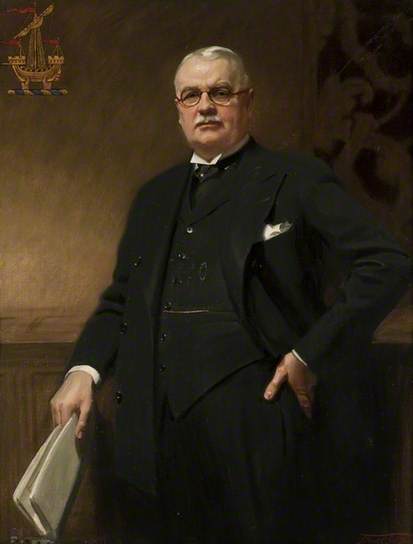
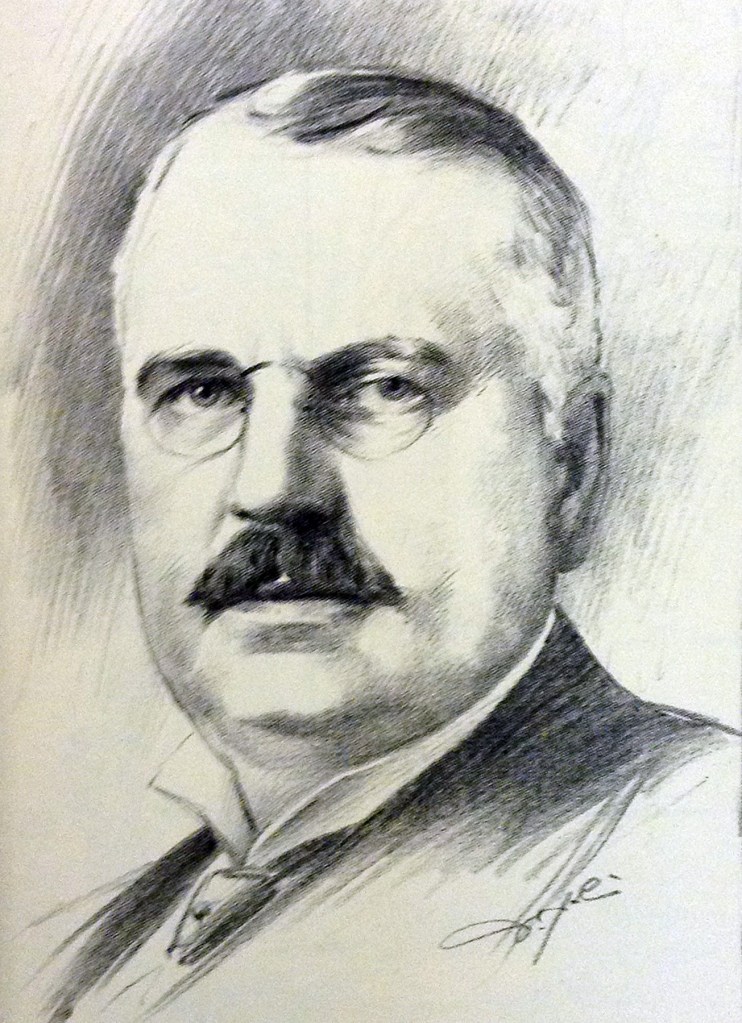

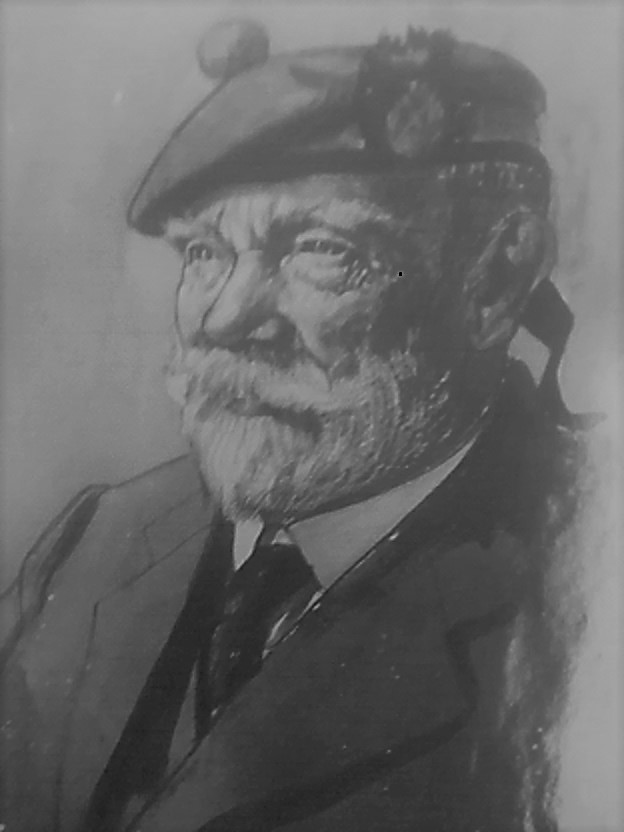
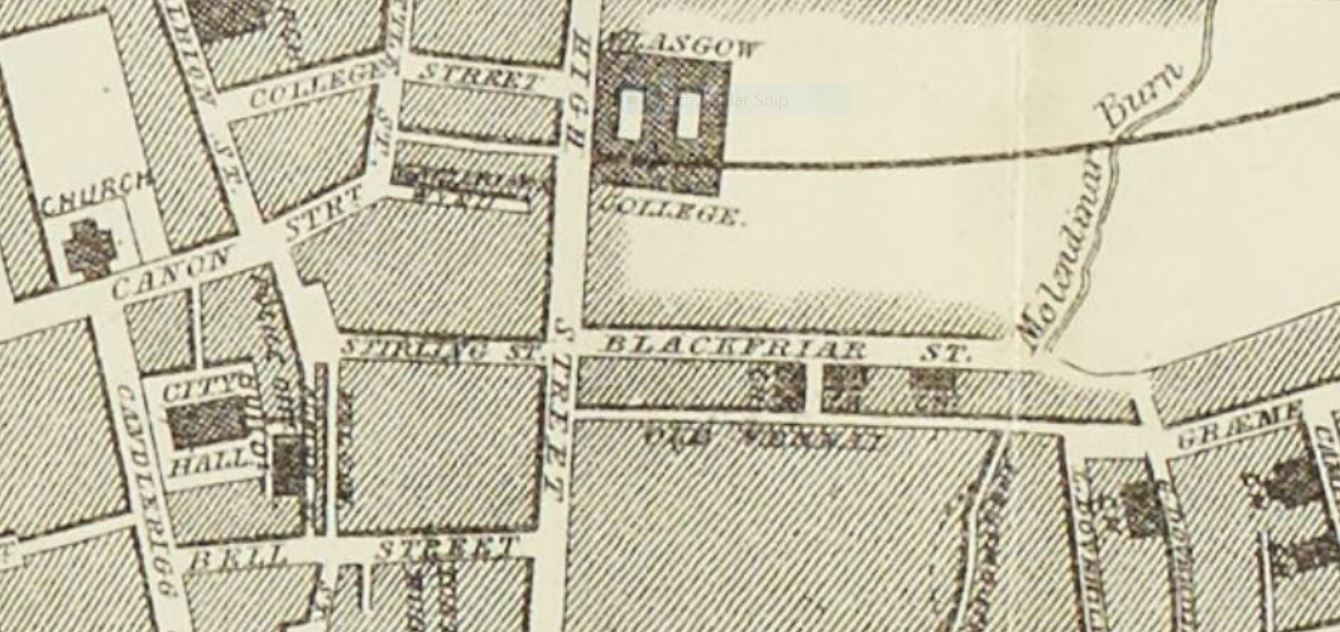

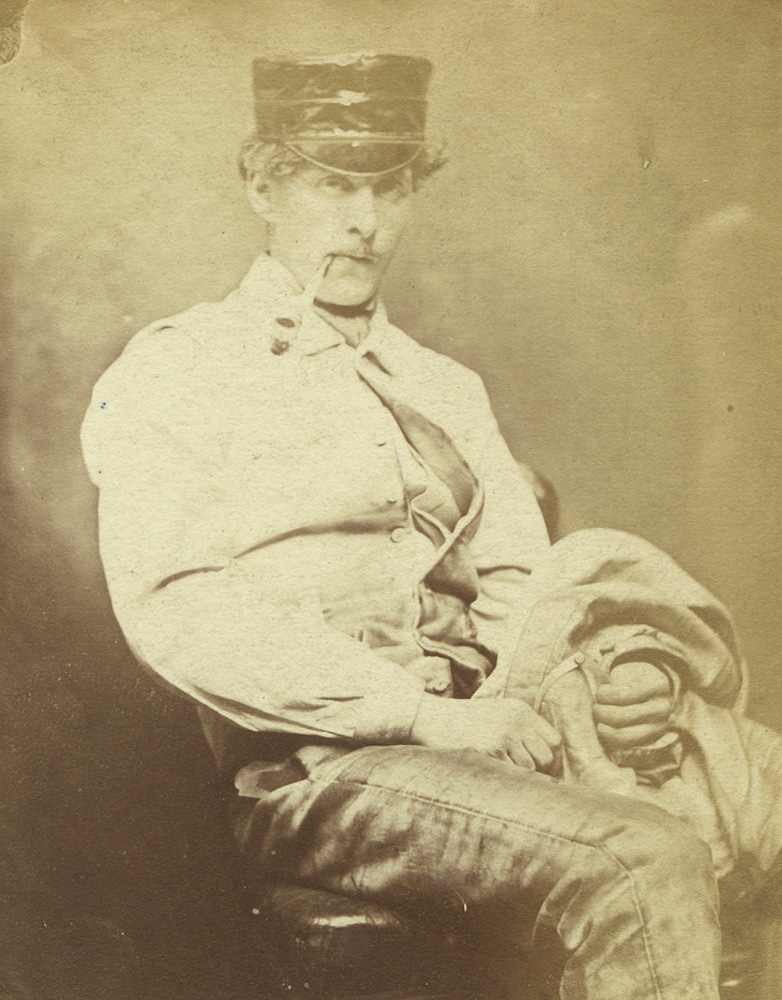
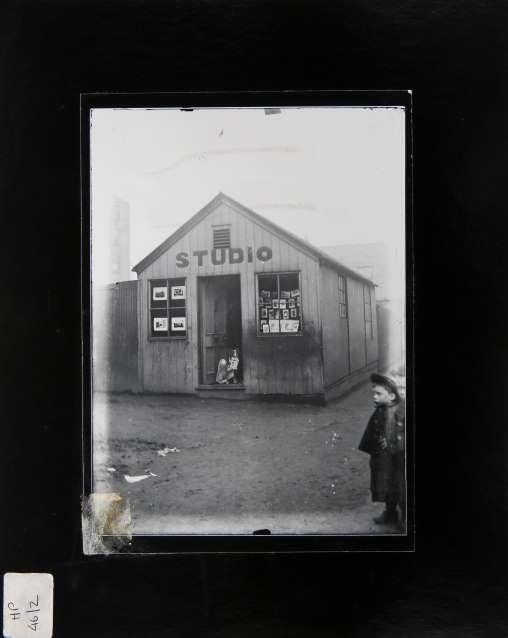
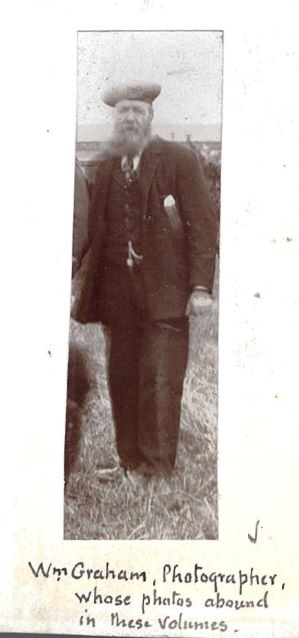
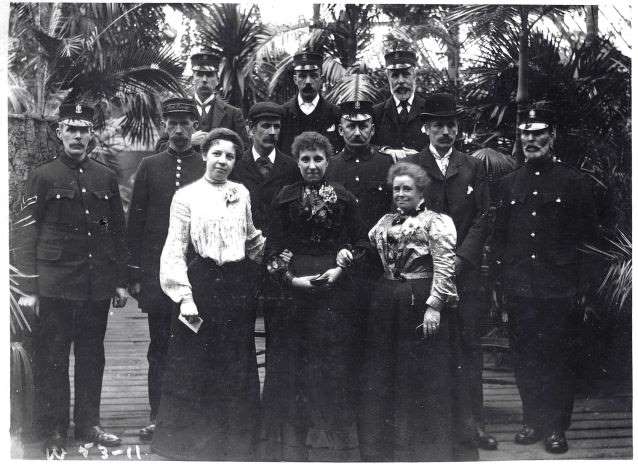
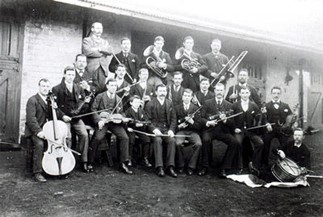
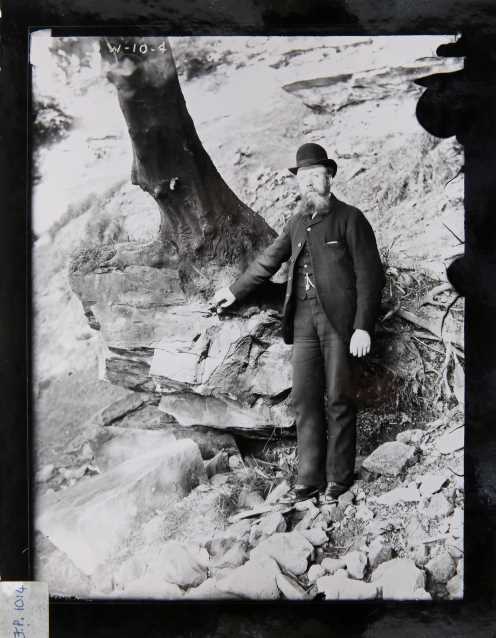
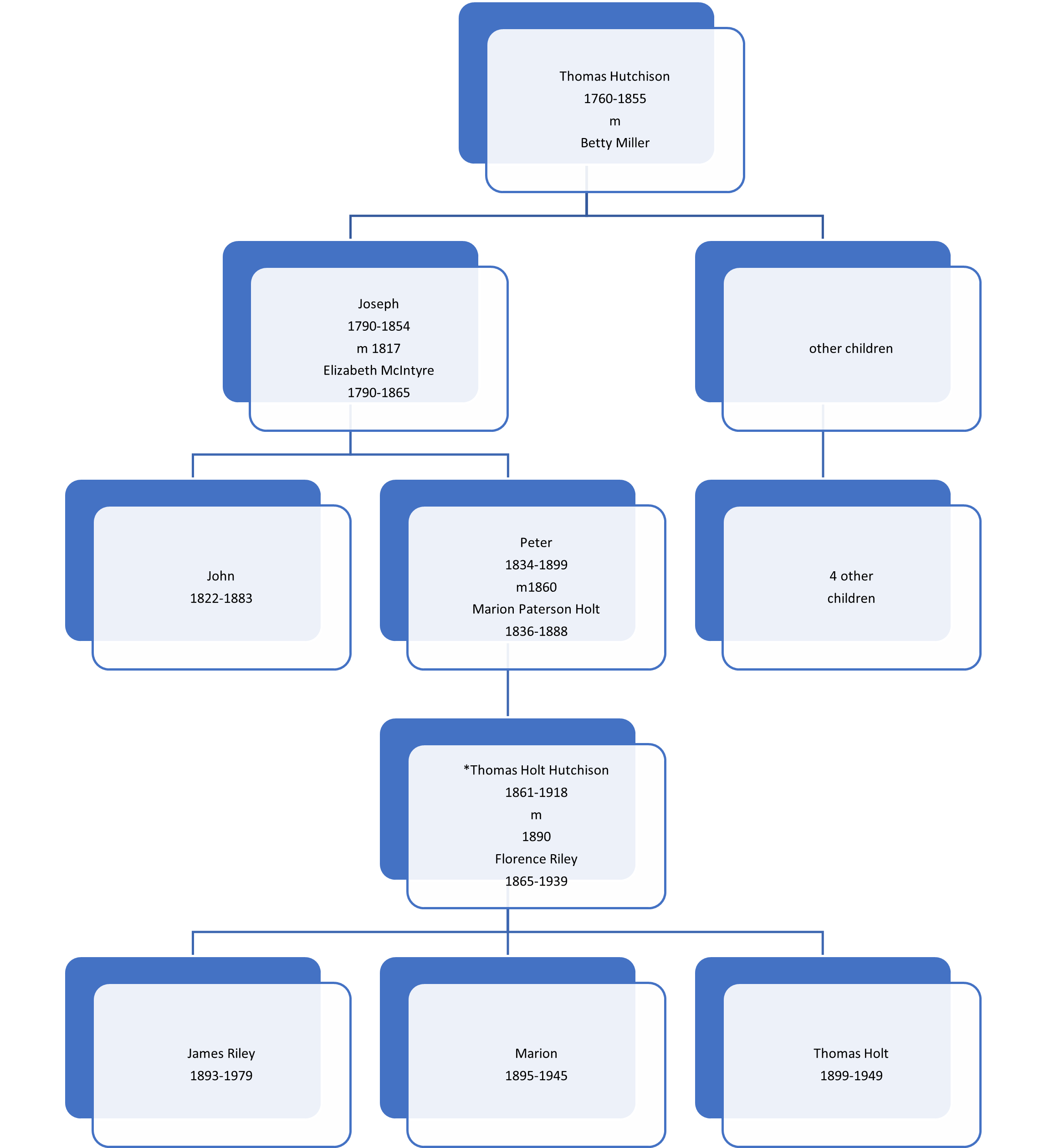
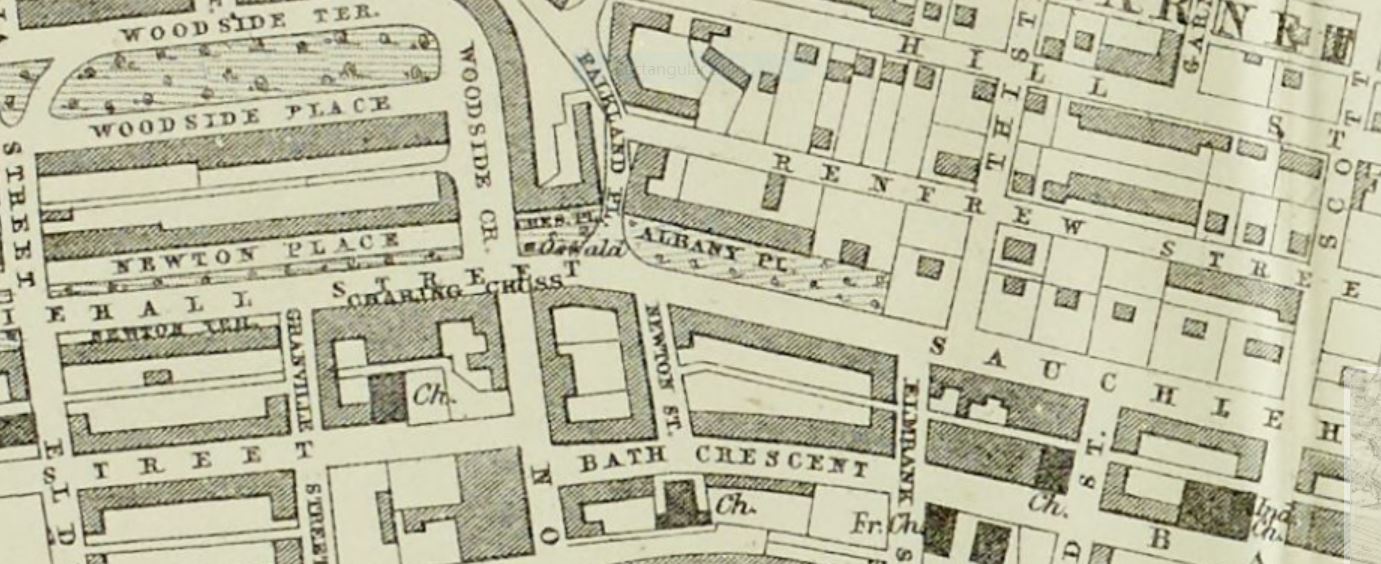
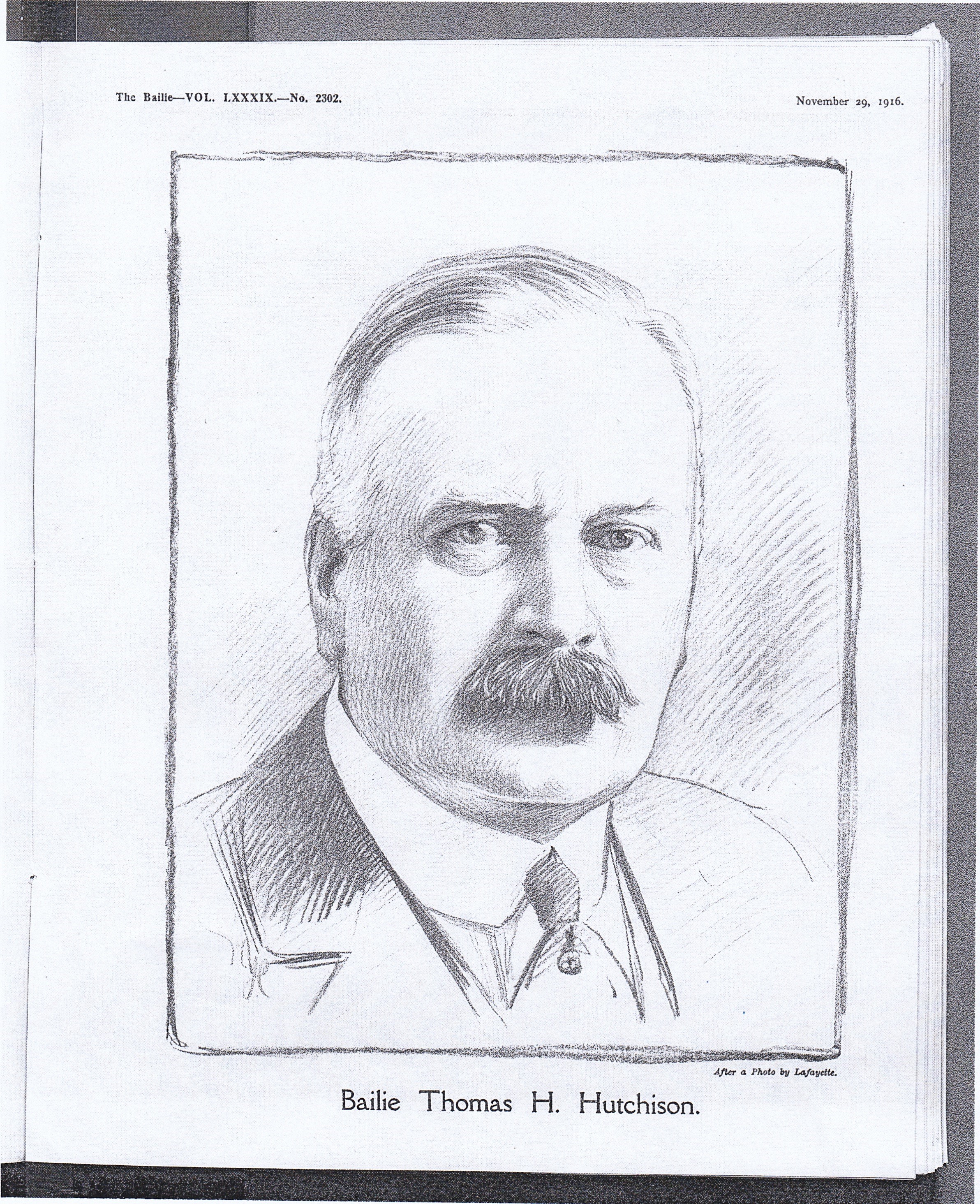
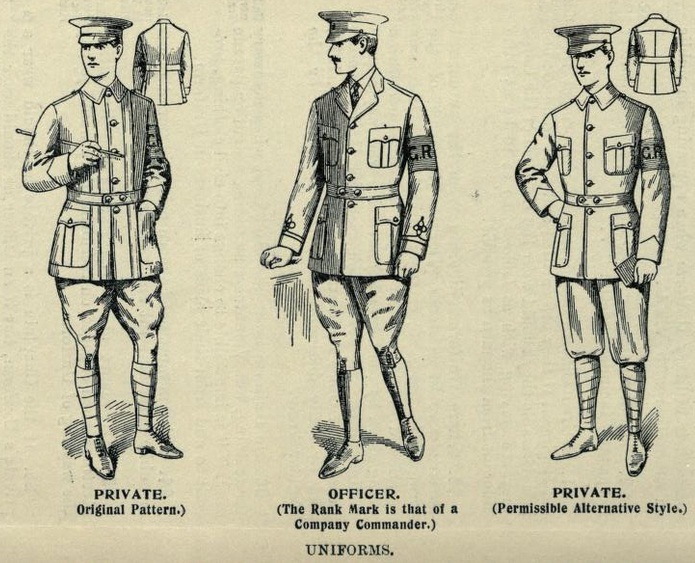
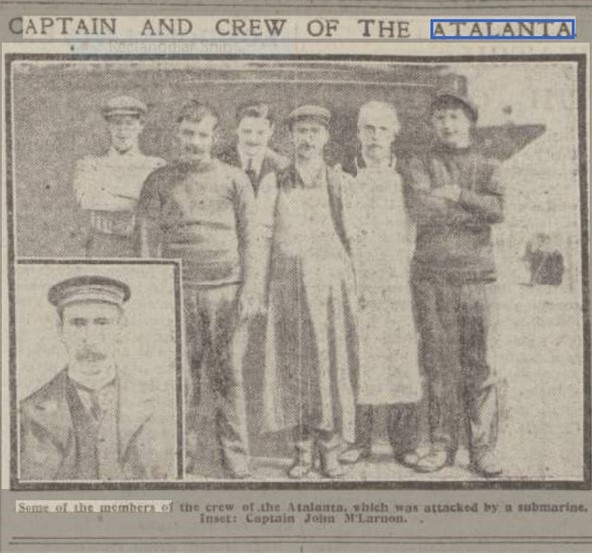
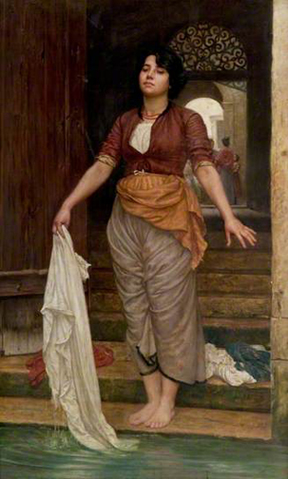
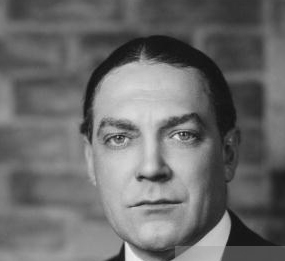
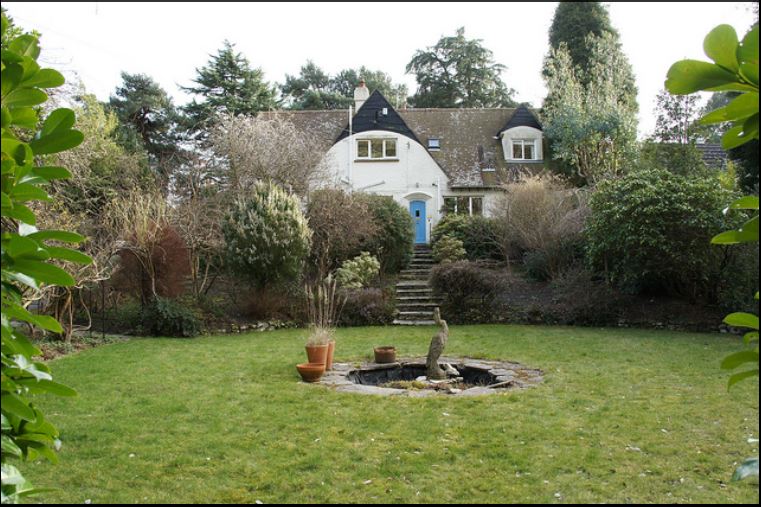
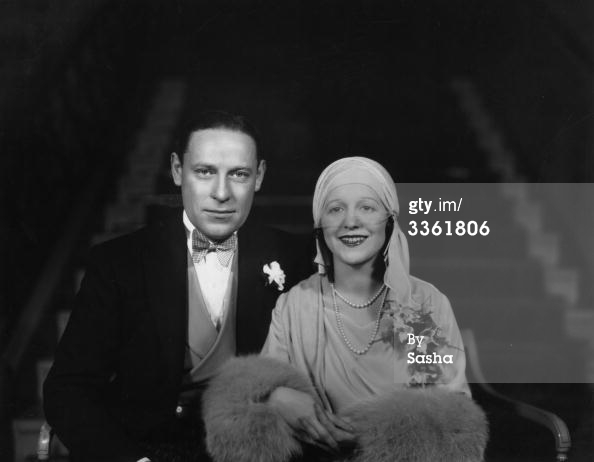
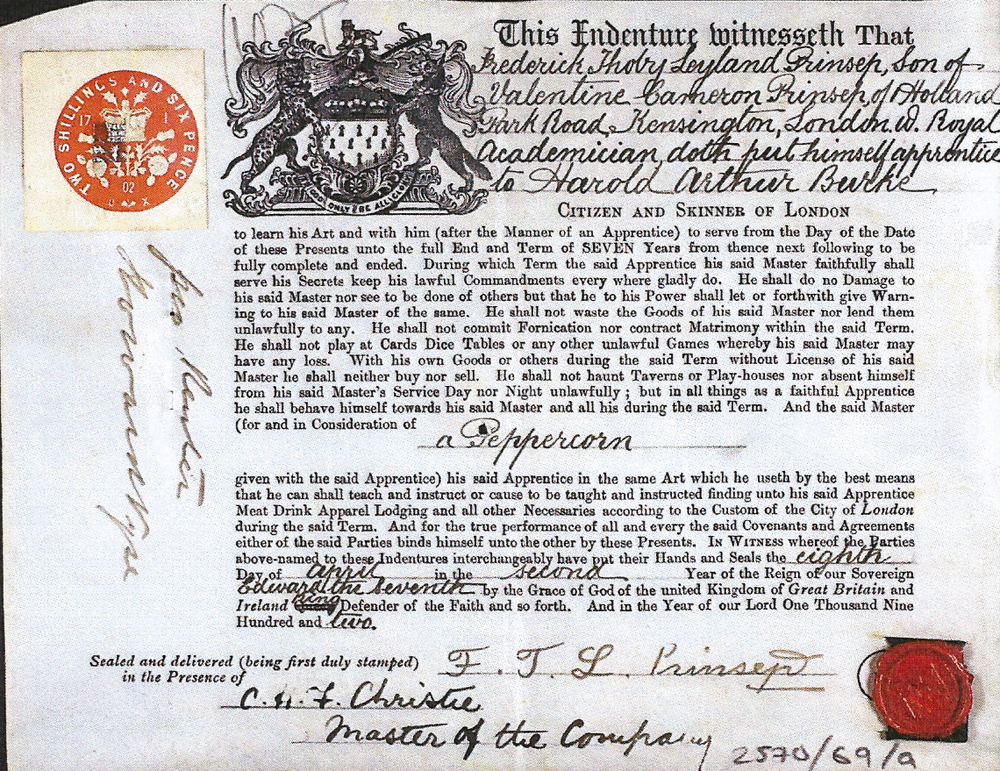
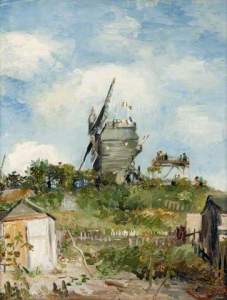
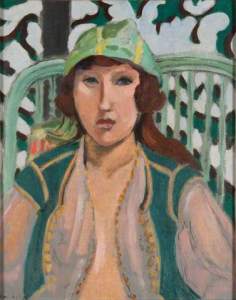
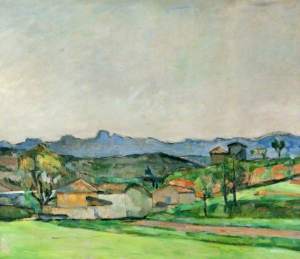
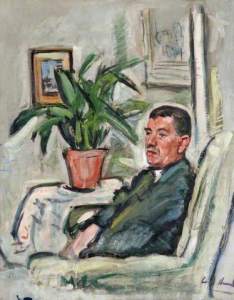
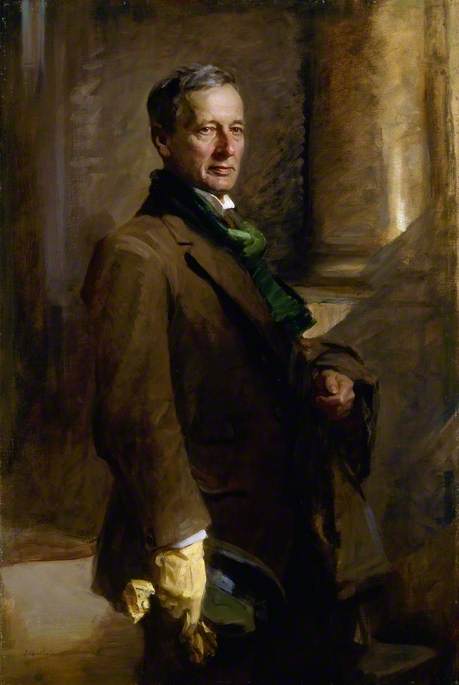
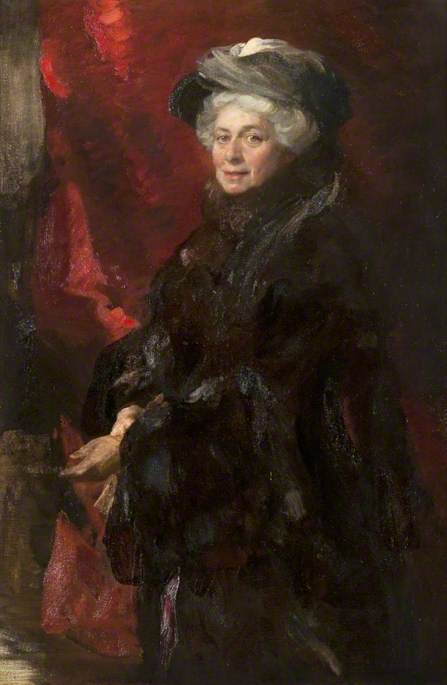
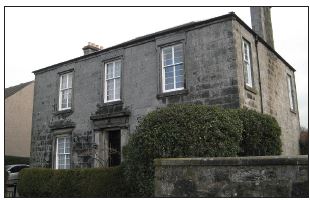
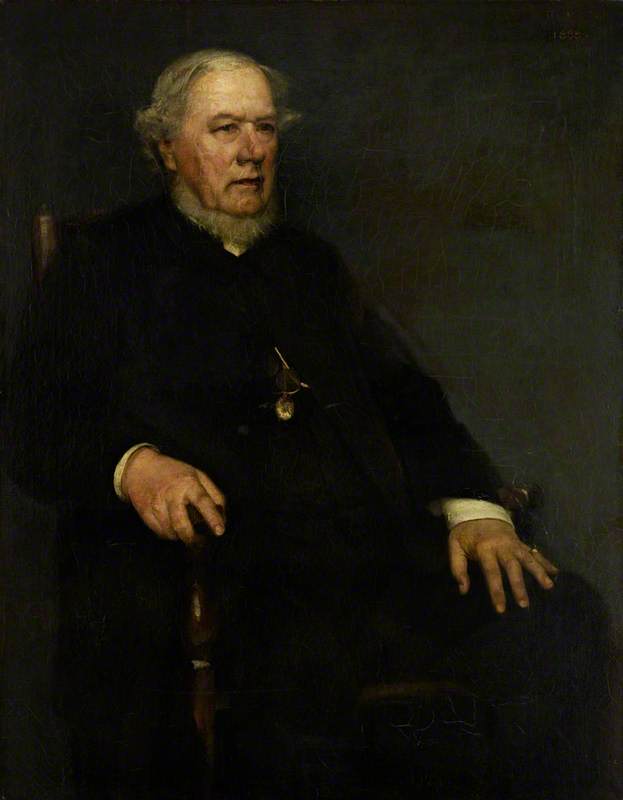
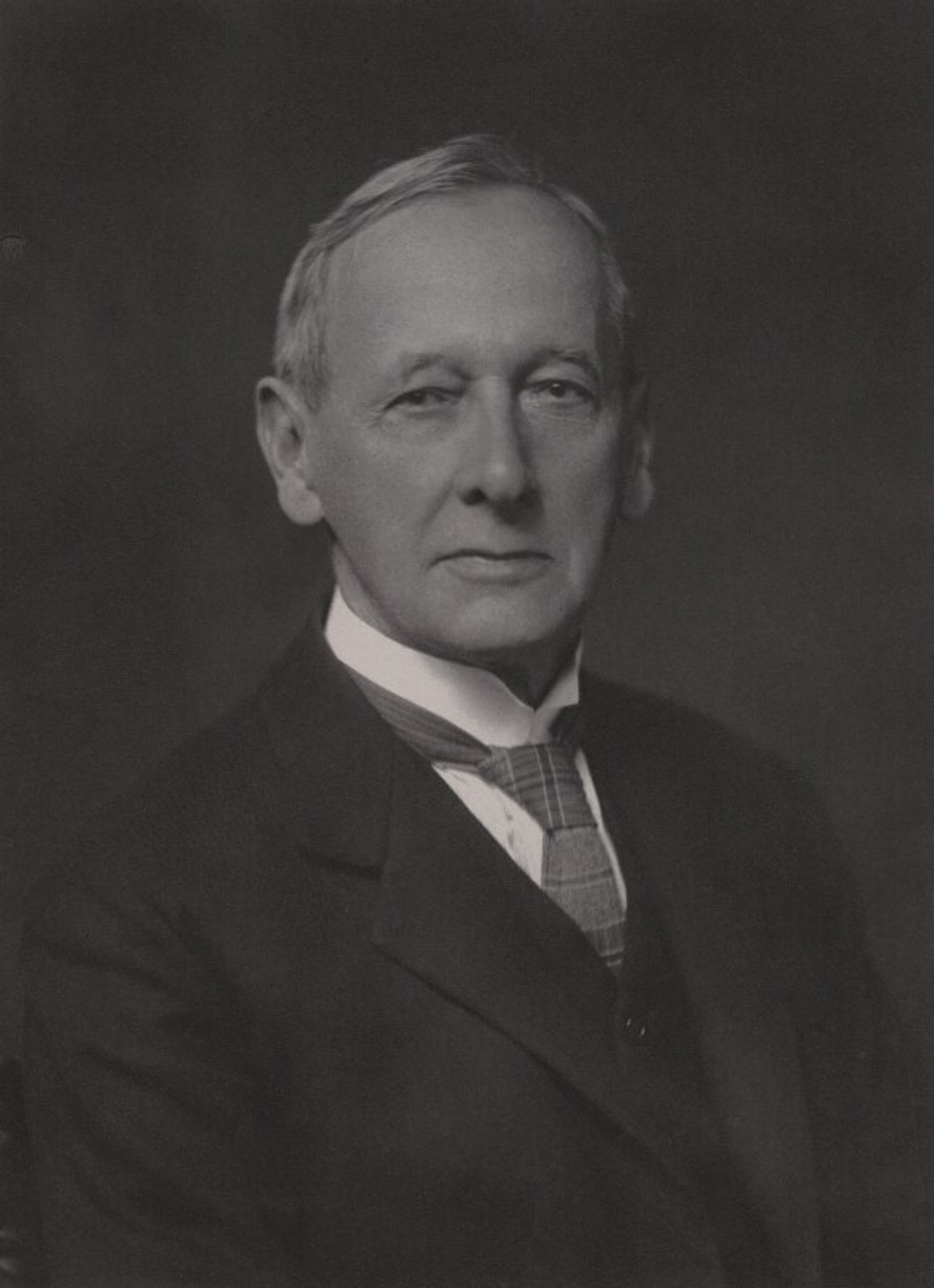
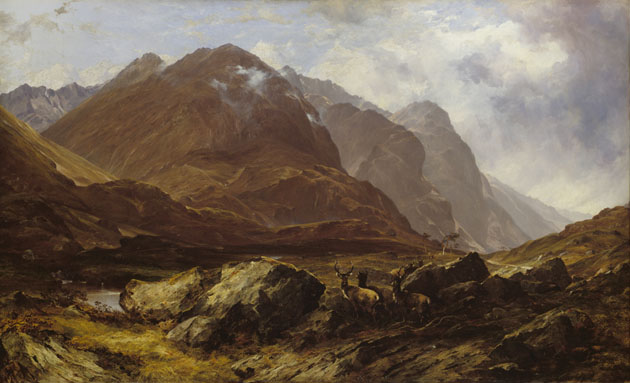
 Glasgow Museums Art Donors Group